Cultural Footprint

Our cultural footprint is integrated into our identity. It is something we can all relate, learn and aspire to.

Japanese Diaspora Cultural Footprint

The Hidden Story: The Cultural Heritage of Okinawan Tattoos

More than 120 years ago, the custom of hajichi, a deep blue pattern tattooed on the back of women’s hands in Okinawa and the Ryukyu Islands, was banned by the Meiji government and gradually disappeared. Hajichi was the cultural heritage of the Ryukyu Kingdom, a rite of passage to mark the coming of age, marriage, and a talisman, which was desired by women. Lee Tonouchi, a fourth-generation Okinawan writer born and raised in Hawaiʻi, discusses the origins of Hawaiʻi Creole also known as Pidgin, as well as the diversity of the cultures in Hawaiʻi, and his own experience with hajichi. Tonouchi wrote Okinawan Princess: Da Legend of Hajichi Tattoos (2019). He said he was motivated to arrow_forward
Table For One Me Time Guide Life Style Cultural Footprint

Getting Perfect Me Time in Classic Tokyo’s Cafes

The coffee culture in Tokyo draws inspiration from different global influences including various American coffee style cafes to authentic Italian espresso bars, as well as entertainment cafes like the maid cafes (where waitresses are dressed in maid outfits), and numerous cuddly animal cafes which showcase cats, owls and mini pigs to name a few. We’ve reached new heights in the variety of cafes and the coffee culture in Tokyo. The local coffee shop has become more than just a cup of coffee. It has become the perfect place for get-togethers, chats with your loved ones, spending some quality Me Time, or meeting for business purposes. We are here to help arrow_forward
Me Time Guide Cultural Footprint

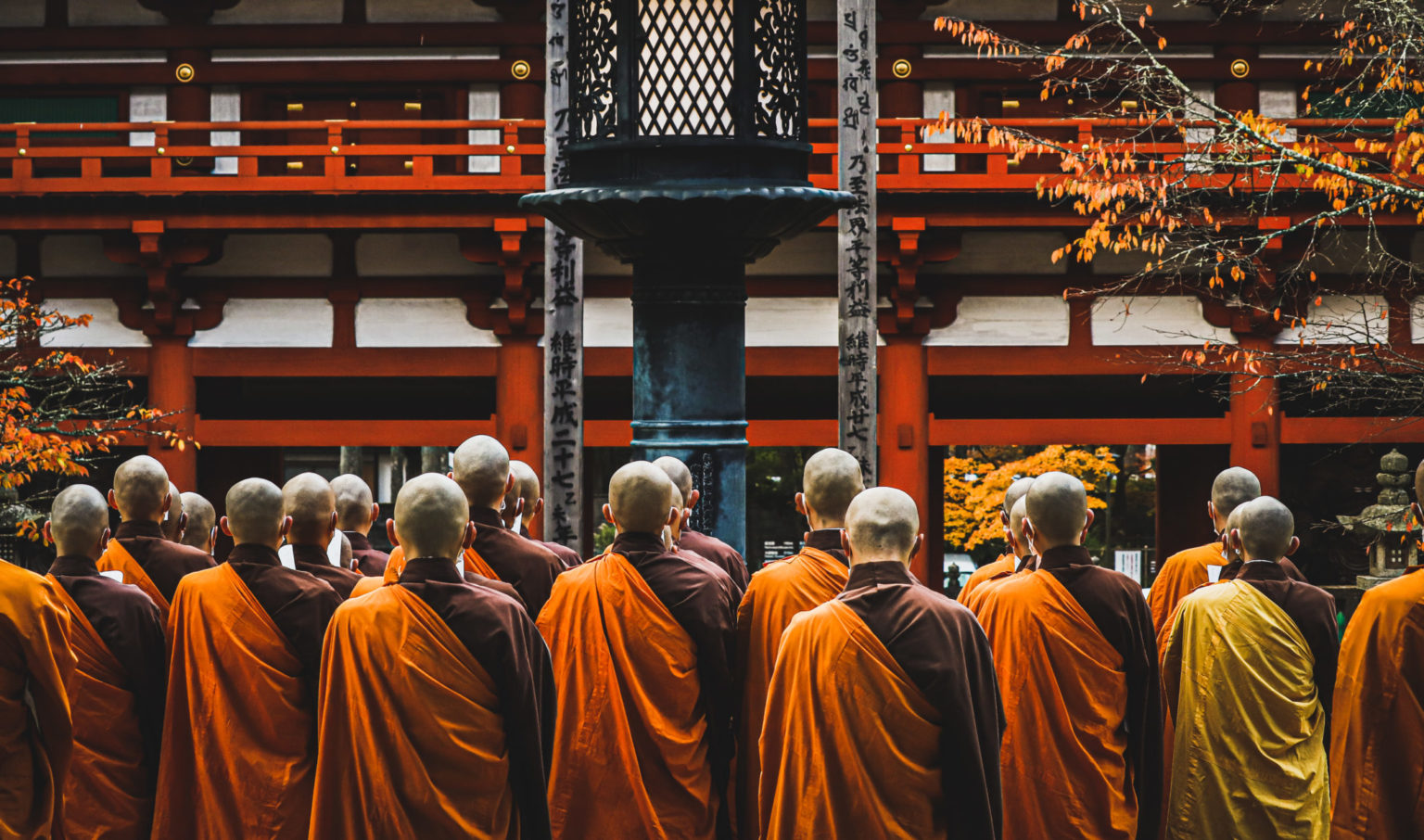
The Old Meets the New: Living like a Monk, a Temple Stay Guide

Buddhist practices, such as mindfulness and mindful eating, are spreading more and more as a part of changes in one’s lifestyle in western countries. There are many Buddhists in Asia, as well as many curious people outside of Japan who say that Japanese people appear to be Atheists. However, many Japanese are just simply not religious even though they were born to Shinto rites, married with Shinto or Christian rites, and buried with Buddhist rites. They habitually go to shrines and temples to pray to gods and Buddha during New Year’s and during other traditional religious events. Regardless, many Japanese people never think about what they believe in and what arrow_forward
Life Style Cultural Footprint

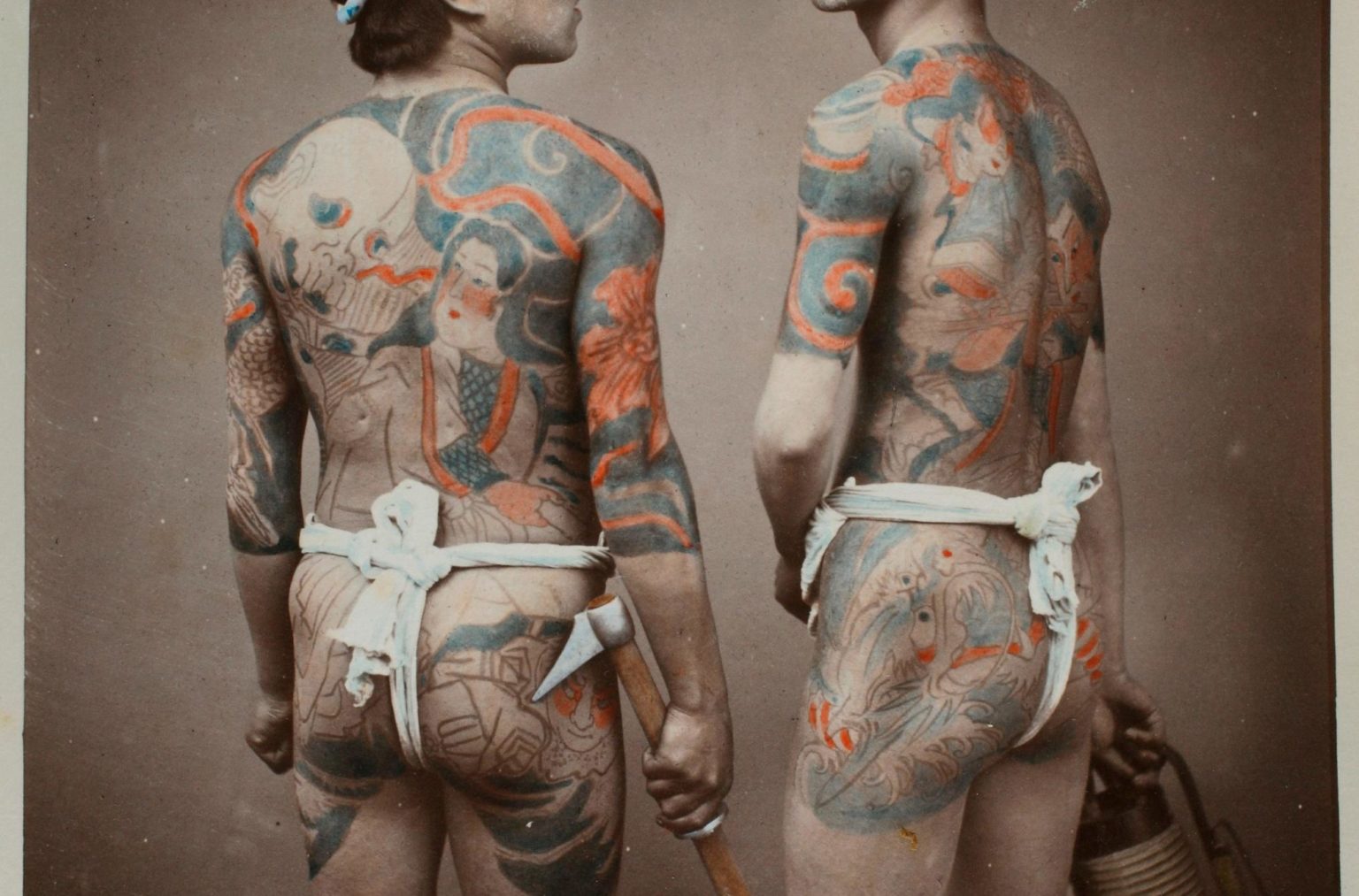
Love or Hate – Japan’s Mysterious Tattoo Culture

Many curious people outside of Japan ask us about the some of the stigmas surrounding Japanese people having tattoos. They first ask, “Why can’t Japanese people with tattoos seem to buy life insurance?” and secondly they ask, “Why are people with tattoos frequently not allowed in Japanese public baths?“. At first glance there seems to be a definite negative bias and discrimination towards those with tattoos. However, while some view tattoos as an art form, the Japanese government, on the other hand, does not. “Why can’t many Japanese people with tattoos buy life insurance?” The first reason is that there is a long-held belief that tattoos represent the Japanese criminal syndicates arrow_forward
Table For One Cultural Footprint

Why Japanese Curry is so Popular in Japan: Its Unique Origins

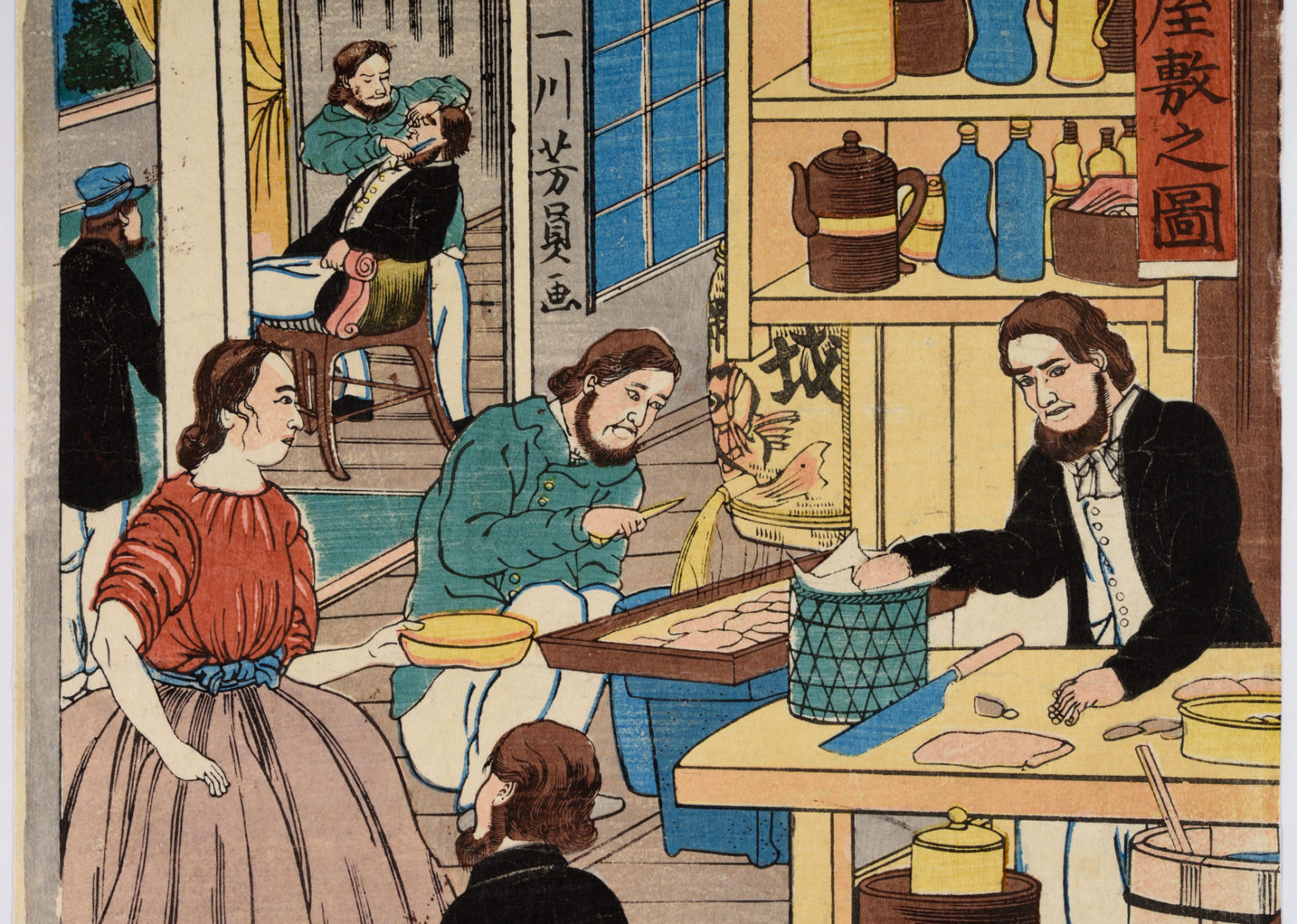
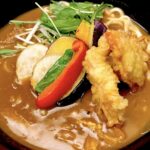
When people think of Japanese food, many of us typically imagine sushi, soba, ramen, and yakitori. However, the fact is that Japan is actually the world’s second largest curry-loving country —of course, India is number one, based on the annual consumption of curry powder in the world. In Japanese, curry is called karē raisu, which means curry over rice. According to a survey by S&B FOODS, a Japanese company that produces and sells curry and spices, the average Japanese individual eats more than 80 servings of curry per year, or roughly once a week. There are many specialty curry restaurants in Japan, and curry is also very frequently prepared at home. arrow_forward
Me Time Guide Life Style Cultural Footprint

Minimalism Stories You Should Read in Your Lifetime

Autumn is a great time to expand your artistic horizons and interests, whether it’s arts, movies, theatrical performances, classical music, or jazz. We think one of the easiest and convenient things to do by ourselves every fall is to read. In Japan, there is a saying, “Autumn is the season for reading.” We considered it to be the best season for deepening our knowledge. We will introduce you to recommended Japanese pieces of literature which will enhance your life. While the most recognizable Japanese author is Haruki Murakami, a younger generation of writers is making its mark. In recent years, many contemporary Japanese works of literature have been translated into arrow_forward
Me Time Guide Cultural Footprint

Looking for Good Health in Ancient Japanese Culture

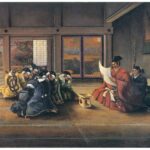
In Japanese ancient times, it was believed that epidemics were caused by invisible beings such as “plague deities”. The imagined pestilence deities looked like demons or yokai (妖怪, Japanese monsters) and would haunt people or enter their homes to make them sick. To avoid contracting the plague, it is necessary to drive away these plague deities and ultimately keep them away completely, so a variety of charms, banners, curses, and rituals were established for this purpose.  During the Edo period (1600-1868), there were many books, novels, ukiyo-e woodblock prints, and Kyoka poems (狂歌, which contain social satire, irony, and humor) written on the theme of epidemics. This fact shows that arrow_forward
Life Style Cultural Footprint

To Inspire You from the Archaic Spirituality of Japan, Wisdom as a Way of Life

Fireworks, which are known as Hanabi, and festivals, which are known as Matsuri, are two of the most popular summer traditions in Japan. However, not many people know that their origins lie in the spiritual practice of exorcism. Fireworks originally were used to console the souls of the deceased and to ward off bad spirits. The most famous annual fireworks festival in Tokyo, the Sumida River Fireworks Festival, dates back to 1733. It was held in memory of the victims of starvation due to extreme food shortages the previous year.  The Japanese ruler, Shogun Yoshimune Tokugawa, held a Water God festival at the Sumida River to bring consolation to the people. arrow_forward
Me Time Guide Cultural Footprint

Guide to Japanese Ancient Lucky Charms Enriching Your Life

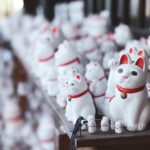
The half-fish, half-human creature known as Amabie began appearing on social media in Japan last year and went viral. Many Japanese cartoonists have adapted the creature in their own styles, sharing the images to spread hope and positivity amid the face of the coronavirus. Many people say that Japanese people have no religious affiliation, but since ancient times, we have deep-rooted beliefs in folklore. There are a numerous variety of lucky charms all over the country, which create sources of comfort, inspiration, and motivation. In 1822 during the Edo period (1603-1868), there was a cholera epidemic in Osaka. During that time a medicine merchant in the town of Shudo handed out pills arrow_forward
Japanese Diaspora Cultural Footprint

Venerable African Samurai Yasuke to Help the Great Unifier of Japan

Yasuke is a samurai anime series that has been available on Netflix since last month. The story takes place in the middle of the Warring States period (1467–1615), based on actual events of a man from Africa who plays an active role as a samurai. Yasuke trained and was under the command of Nobunaga Oda, who was the most powerful warlord of the day. The Yasuke story tells us something more important than history, which tells us about the importance of Bias-Free communication. In July 1581, the Italian missionary Gnecchi-Soldo Organtino visited Nobunaga in Kyoto, accompanied by an African man that one of them later named Yasuke. Luís Fróis(1532 – arrow_forward

Recent Posts

PAGE TOP