Cultural Footprint

Our cultural footprint is integrated into our identity. It is something we can all relate, learn and aspire to.

Me Time Guide Cultural Footprint

The Japanese Rituals : A Guide for Lucky Charms & Modern Lifestyle

Around the world, there are many unique traditional lucky charms sacred to our hearts. There’s no proof or evidence of the talismans’ power, but we appreciate those things that protect us and bring happiness. The cultural symbols enchant us and are always picked up as souvenirs when we travel to Japan. Many Japanese lucky charms were created during the Edo period(1603-1868). They are still in production and made by hand. It is always nice to have your favorite lucky charm as we are living through very uncertain times. The art of wood: Otakapopo, Yamagata Prefecture The wooden hawk is a popular Japanese symbol of good luck, originally made to ward arrow_forward
Table For One Cultural Footprint

Experiencing Shojin Ryori: A Mindful Japanese Travel Experience

How a Temple Meal Teaches Mindfulness on Your Japan Journey A quiet temple meal can reveal something unexpected about how we eat and travel. This is one moment from our journey in Japan, and what it quietly taught us about mindfulness. One Meal at a Temple During our Japanese journey, we sit at a long wooden table inside a temple dining hall. The room is simple and quiet, separated from the busy world outside. Soft light filters in, and for a moment, no one speaks. Much of what we learned about shojin ryori came directly from the monks who prepared these meals. A tray is placed in front of us. arrow_forward
Table For One Me Time Guide Japanese Diaspora Cultural Footprint

Our Choice for the Best Korean-Japanese BBQ In Japan

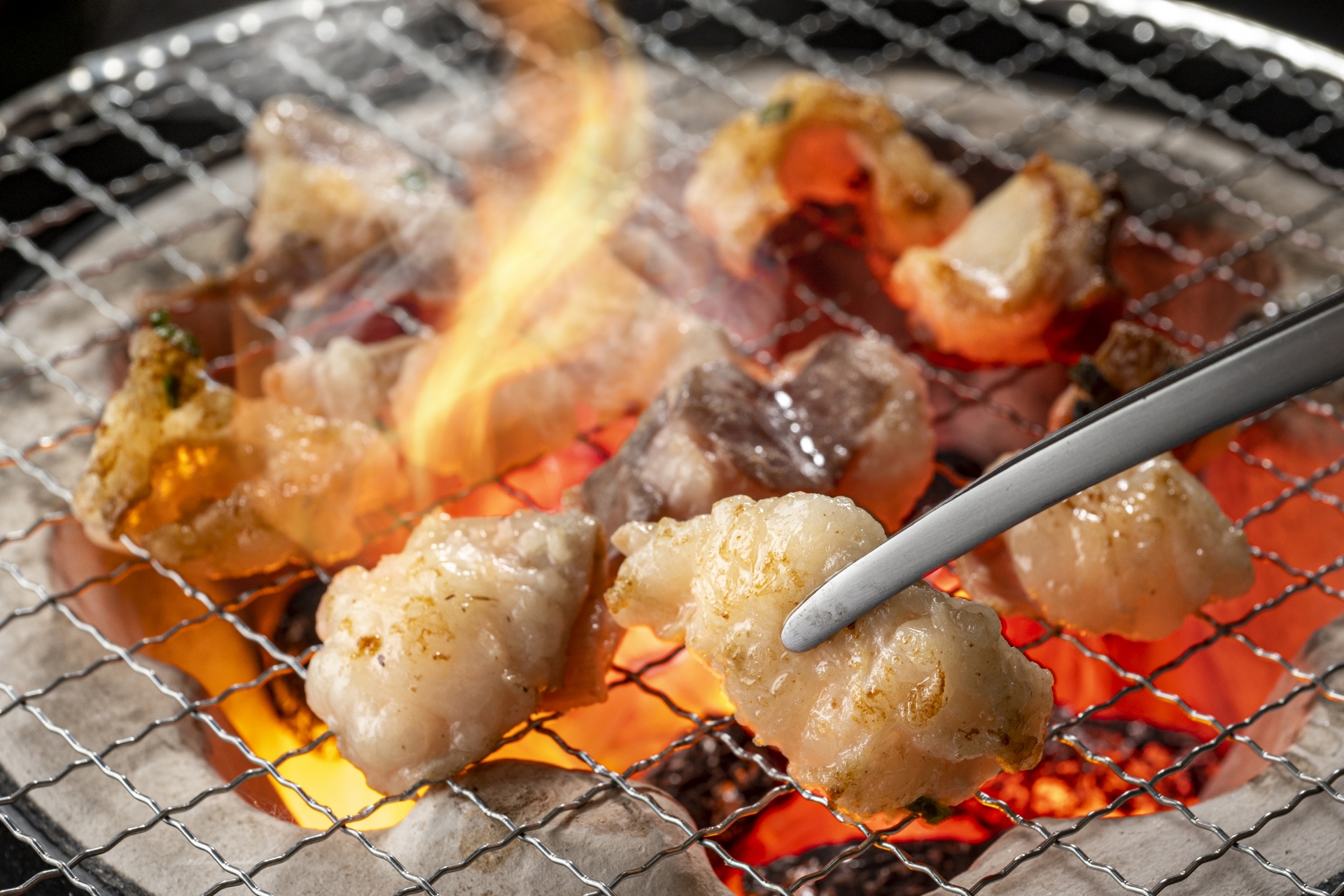
Yakiniku means grilled meat in Japanese, and Yakiniku restaurants can be found in every restaurant row in Japan. There are approximately 20,000 yakiniku restaurants in the country. Some specialize in premium brand-name beef such as Kobe and Matsusaka beef, while others specialize in offal and game meat. There are All-You-Can-Eat buffets, as well as conveyor belt yakiniku, just like conveyor belt sushi! These days, the yakiniku trend keenly focuses on the dizzying variety of sauces. Many restaurants choose specific sauces depending on the particular type of meat that they serve. In addition, it is not unusual for customers to be served at least four or five different kinds of sauces. And there are arrow_forward
Me Time Guide Cultural Footprint

Walk a Monk’s Path as a Modern Minimalist Solo Traveler

Whether we feel joy, gratitude, anger, or sadness, our minds always react to various situations with different emotions. However, instead of accepting those initial emotional impulses, the Japanese try to be more mindful. By thoughtfully changing the way we react by consciously being more neutral, we can theoretically spend our days more comfortably. A monk at a temple in Shizuoka said, “by reacting either very negatively or extremely positive means you are walking on the edges of the path. On the other hand, people should decide to be more neutral, walking firmly down the center of the path.”  While we stayed at the temple, the monk taught us that we arrow_forward
Life Style Cultural Footprint

12 Japanese Life-Changing Concepts to Live a Happy Life

We can certainly learn from different countries around the globe their respective different philosophies through one’s culture and historical past. Those philosophies can help us live more meaningful and fulfilling lives. For example in Japan, people are keenly aware about focusing on the moment at hand and striving to be mindful—this is a state of active and open attention to the present. In this article, we’ll share with you to 12 beautiful Japanese aesthetics that can inspire us to embrace happiness as well as enjoying a peaceful and healthy life. Iitokodori Iitokodori is a Japanese process means discovering aspects of the influences around you and creating something unique of your very arrow_forward
Japanese Diaspora Cultural Footprint

Crafting Connections: Nordic design and Japanese Folk Art Movement

A limited edition book turi showcasing the work of Turi Gramstad Oliver, a prominent figure in Nordic design, was released. The book includes works inspired by Japanese artists, who led the Mingei movement, and Japanese culture. Turi Gramstad Oliver is a prominent Norwegian artist who has been active since the mid-20th century. Last summer in Norway, a design book Turi was released, chronicling Turi’s lifetime of creative work. The book includes over 500 illustrations and photographs, along with archival images, anecdotes, and insights into her personal life shared with fellow creative collaborators. It was written by Torunn Larsen, a writer and art historian. Why the World Can’t Have Enough of Norwegian Product arrow_forward
Me Time Guide Cultural Footprint

The 5 Luxury Classic Onsen in the Northeast: The Perfect Destinations for Solos

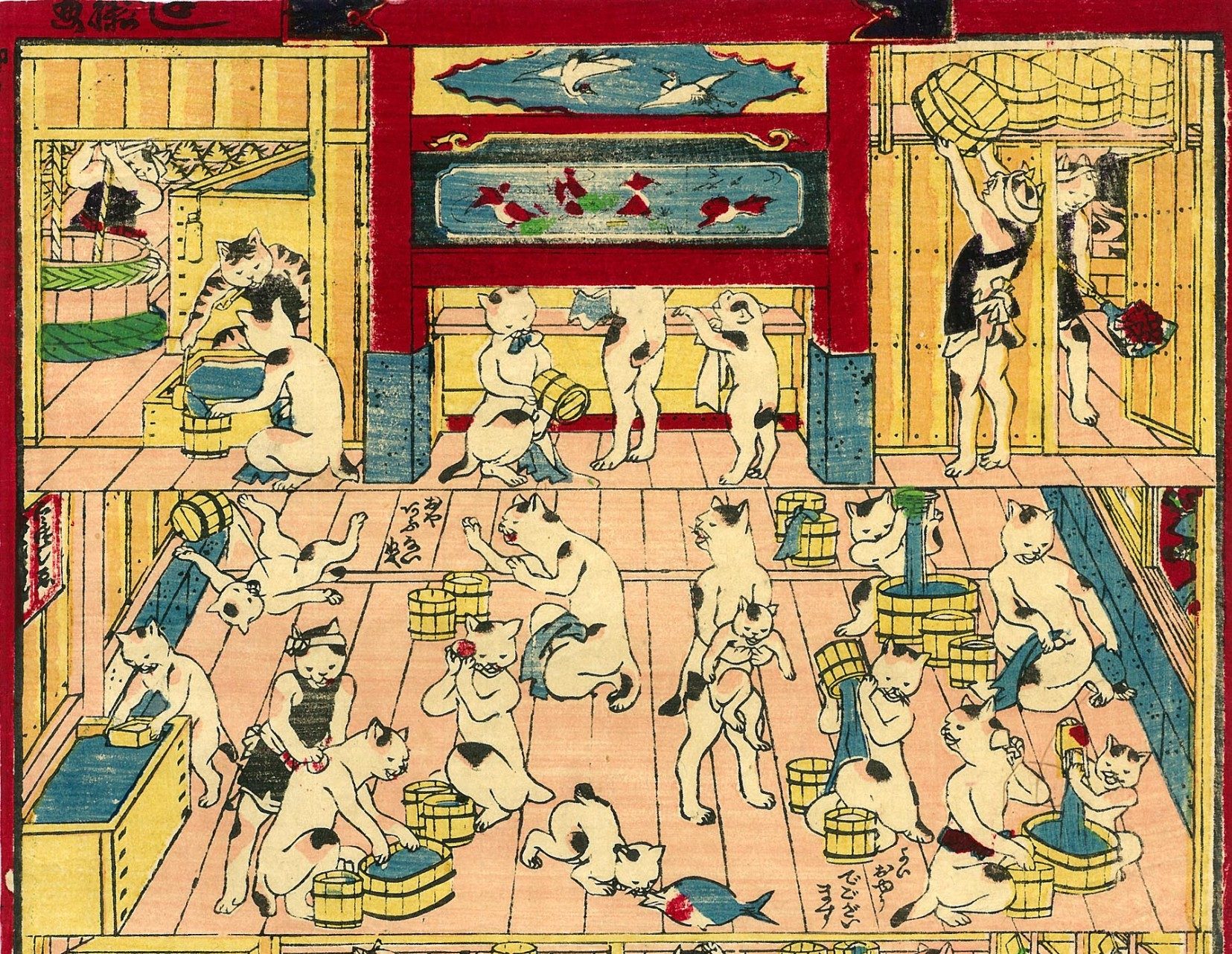
Japan has an ancient custom in traditionally taking hot baths. People in Japan customarily like to go to public bathhouses. There are many different types and varieties of bathhouses. Some use tap water in their baths which is typically called Sentō(銭湯). In contrast, bathhouses that utilize a natural hot spring, are called Onsen(温泉). In particular, a trip to an onsen is one of the most popular activities for modern Japanese people. We will reveal some of the special places that hot spring fans truly enjoy during their trips in Japan. Touji(湯治), means “hot spring cure”. It refers to visiting a resort that possesses a natural hot spring. It typically requires arrow_forward
Me Time Guide Cultural Footprint

The Epic & Ultimate Pilgrimage: Ise Jingu for Solo Travelers

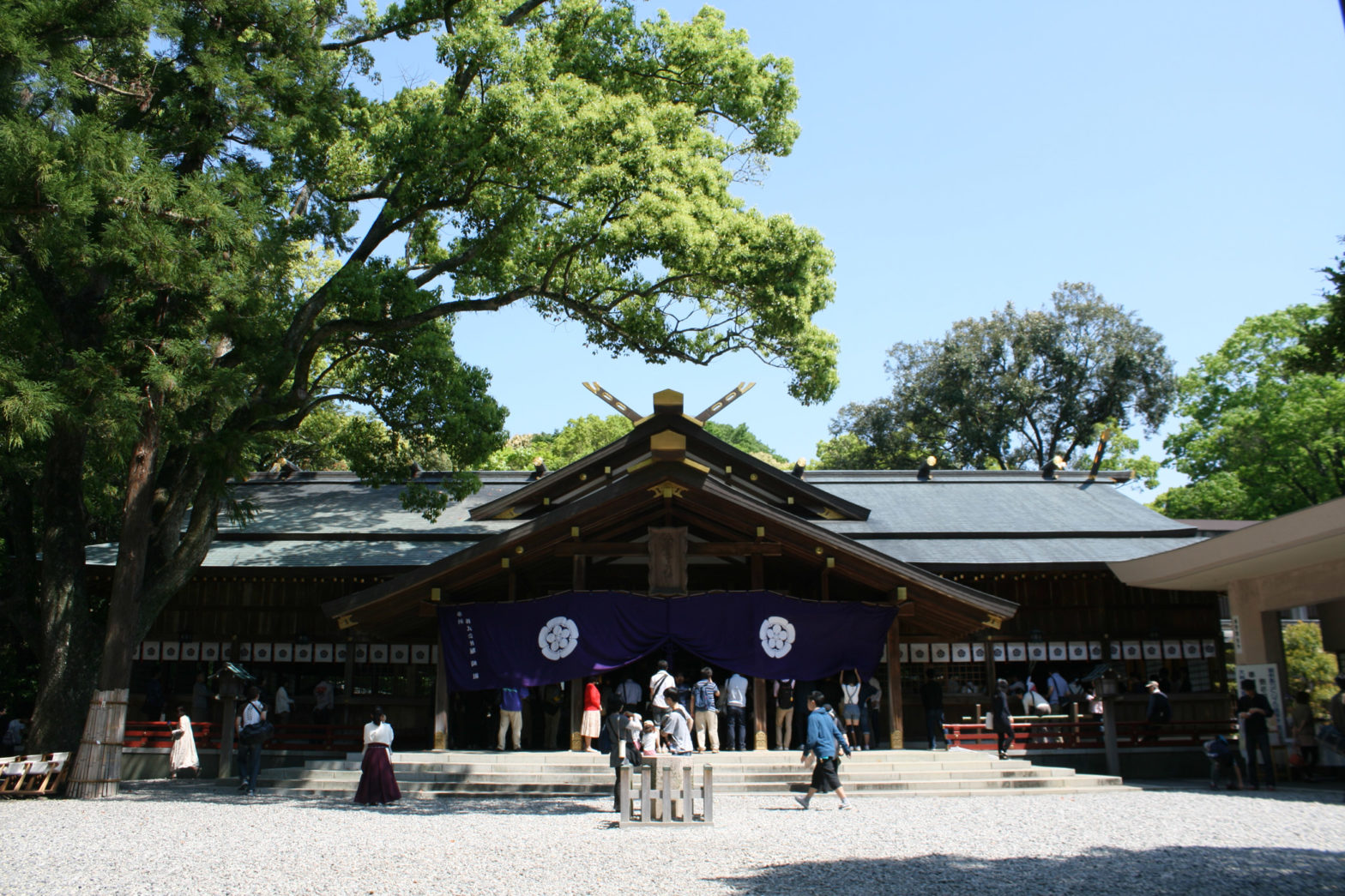
One of the most famous Japanese sightseeing pilgrimages for Japanese and foreigners is the Ise Jingu Shrine, located in Ise city, Mie Prefecture. Ise Jingu is a Shinto shrine that represents the country and is preserved by the imperial family. There are an amazing 125 Shinto shrines within Ise Jingo. Two of the two main shrines are Naiku and Geku. Naiku means inner shrine, the most venerable sanctuary in Japan. Within Naiku is a Shinto shrine dedicated to Amaterasu-Omikami, the ancestral Shinto deity of the Imperial family. She was enshrined in Naiku about 2,000 years ago and has been revered as a guard of Japan. Geku, the other main shrine, arrow_forward
Table For One Cultural Footprint

The History of the Japanese Table For One

In Japan, the Edo period between 1603 to 1868 was a representative era of modern Japanese culture, and the history of Table For One was already in full bloom. Under the stable political system of the Edo period, many citizens became economically prosperous, and thus, the food/restaurant industry was emerging along with the development of the urban economy. During this development, eating habits changed from 2 meals a day to 3 meals a day. Dishes such as sushi, soba, tempura, and unagi (eel) were sold at food stands as fast-food service which suited the people of Edo’s busy lifestyle. Also, certain restaurants which were called Izakaya and Teishokuya (another name arrow_forward
Cultural Footprint

Creative Halloween Costumes Inspired by the Japanese 19th Century

Halloween is a Western culture, and it has been gaining mass participation in Japan, especially among the youth. In 1997, Tokyo Disneyland held the “Disney Happy Halloween” costume event, which led to the spread of this celebration in the country. It is said that the Disneyland event began Halloween to take roots in Japan, after candy manufacturers and apparel stores began to sell Halloween items. The original meaning of the concept of Halloween has almost been lost in this country, and it has become a more “costume event”. Many Japanese say that this is because Japan has had a cosplay culture since the Edo period (1603 – 1867). There seems arrow_forward
PAGE TOP