Life Style

Use Your Fingers to Find a New Pathway to Mindfulness and to Better Health-Acupressure
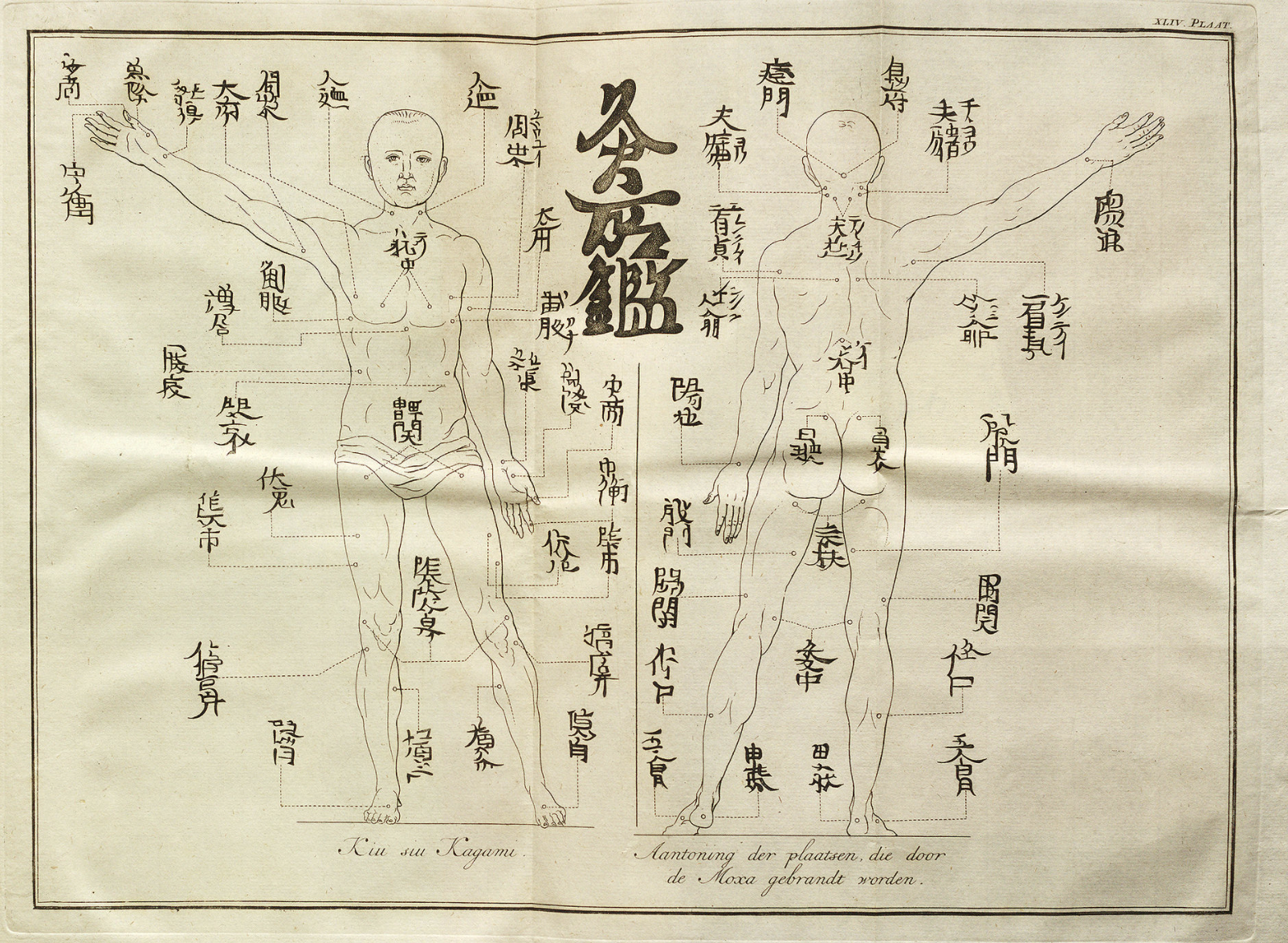
As we intuitively know mental and physical health are closely linked. When you are sick, do you take medicine or see a doctor for advice? If you feel sluggish, do you get massage? When we feel physical sick or stressed, we may decide to use natural medicine (naturopathy) to boost our immune system instead of prescription drugs. Broadly speaking in accutherapy, hands tend to have more acupressure points that work for the upper body, while feet have more acupressure points that work for the lower body. You can practice acupressure point massage on your hands on your way to work or while you are at work, but we recommend it arrow_forward
Me Time Guide Life Style Cultural Footprint

Minimalism Stories You Should Read in Your Lifetime

Autumn is a great time to expand your artistic horizons and interests, whether it’s arts, movies, theatrical performances, classical music, or jazz. We think one of the easiest and convenient things to do by ourselves every fall is to read. In Japan, there is a saying, “Autumn is the season for reading.” We considered it to be the best season for deepening our knowledge. We will introduce you to recommended Japanese pieces of literature which will enhance your life. While the most recognizable Japanese author is Haruki Murakami, a younger generation of writers is making its mark. In recent years, many contemporary Japanese works of literature have been translated into arrow_forward
Me Time Guide Cultural Footprint

Looking for Good Health in Ancient Japanese Culture

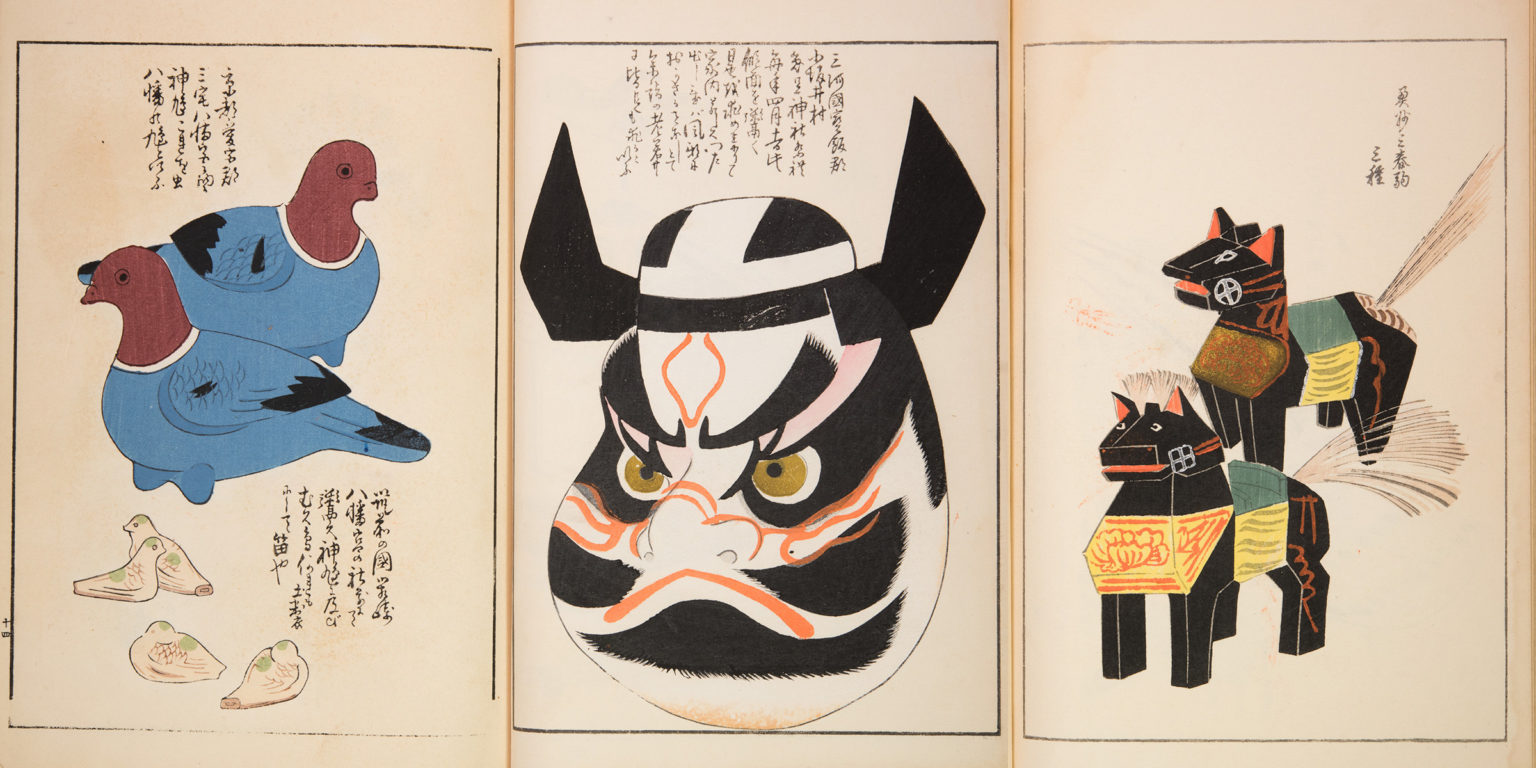
In Japanese ancient times, it was believed that epidemics were caused by invisible beings such as “plague deities”. The imagined pestilence deities looked like demons or yokai (妖怪, Japanese monsters) and would haunt people or enter their homes to make them sick. To avoid contracting the plague, it is necessary to drive away these plague deities and ultimately keep them away completely, so a variety of charms, banners, curses, and rituals were established for this purpose.  During the Edo period (1600-1868), there were many books, novels, ukiyo-e woodblock prints, and Kyoka poems (狂歌, which contain social satire, irony, and humor) written on the theme of epidemics. This fact shows that arrow_forward
Life Style Cultural Footprint

To Inspire You from the Archaic Spirituality of Japan, Wisdom as a Way of Life

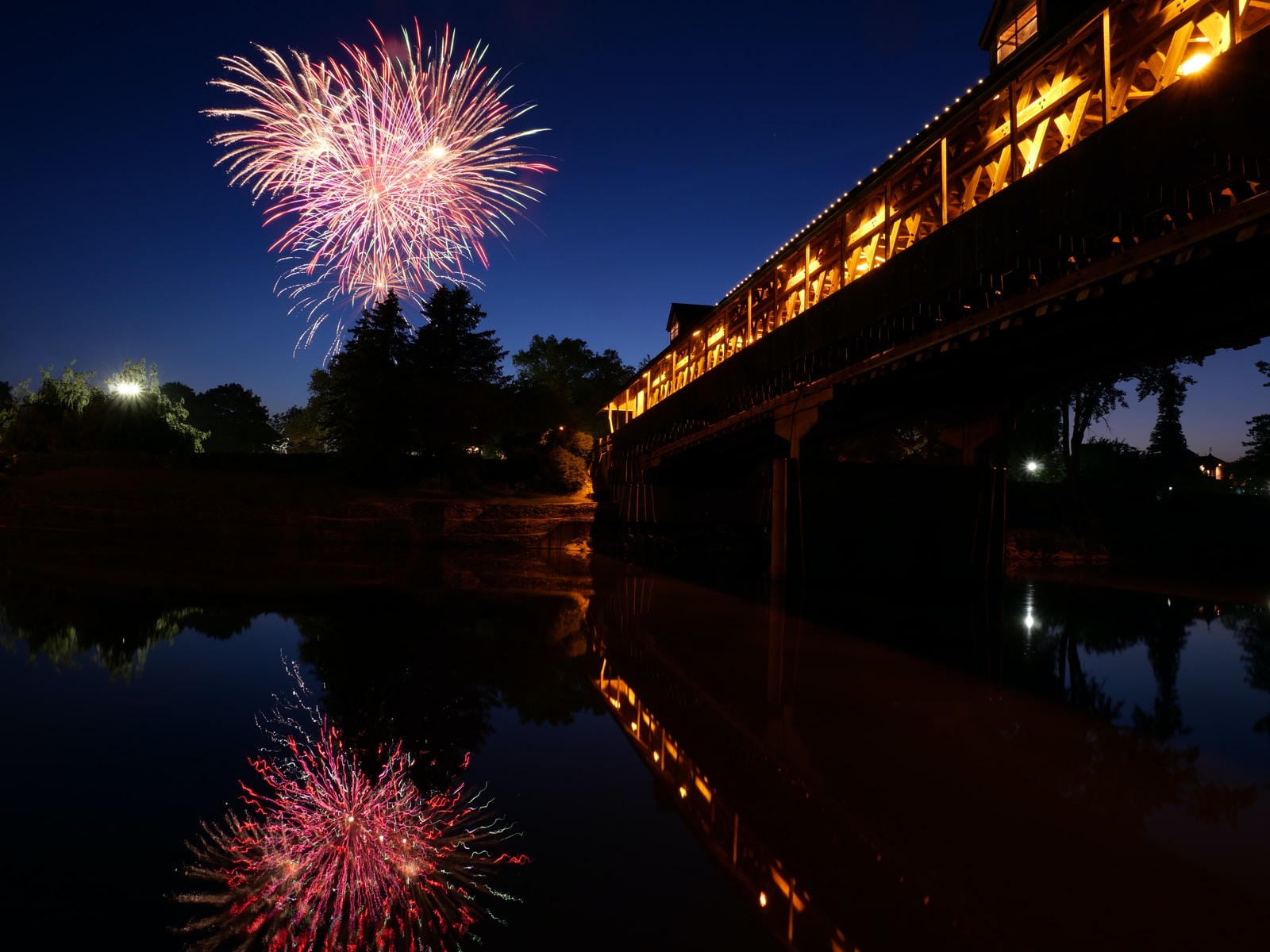
Fireworks, which are known as Hanabi, and festivals, which are known as Matsuri, are two of the most popular summer traditions in Japan. However, not many people know that their origins lie in the spiritual practice of exorcism. Fireworks originally were used to console the souls of the deceased and to ward off bad spirits. The most famous annual fireworks festival in Tokyo, the Sumida River Fireworks Festival, dates back to 1733. It was held in memory of the victims of starvation due to extreme food shortages the previous year.  The Japanese ruler, Shogun Yoshimune Tokugawa, held a Water God festival at the Sumida River to bring consolation to the people. arrow_forward
Me Time Guide Cultural Footprint

Guide to Japanese Ancient Lucky Charms Enriching Your Life

The half-fish, half-human creature known as Amabie began appearing on social media in Japan last year and went viral. Many Japanese cartoonists have adapted the creature in their own styles, sharing the images to spread hope and positivity amid the face of the coronavirus. Many people say that Japanese people have no religious affiliation, but since ancient times, we have deep-rooted beliefs in folklore. There are a numerous variety of lucky charms all over the country, which create sources of comfort, inspiration, and motivation. In 1822 during the Edo period (1603-1868), there was a cholera epidemic in Osaka. During that time a medicine merchant in the town of Shudo handed out pills arrow_forward
Table For One Me Time Guide

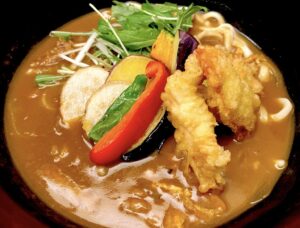
Farm-to-Table & Spice Magic: Soup Curry In Hokkaido

In Japan, curry is one of the perfect dishes for a Table For One, as known by solo diners. The Japanese curry is a convenient food, just like ramen and conveyor belt sushi, known as Kaiten-zushi. These dining venues that serve these foods are gender-free and feel very comfortable for soloists to have lunch or dinner. Since curry was introduced to Japan from the UK, it has been served in restaurants and cafes. Households also like to prepare their own unique curry. During the 1980s and 1990s, there was an ethnic food boom in Tokyo, led by Southeast Asian cuisine. In the beginning of the 2000’s, the media reported that “Jimbocho arrow_forward
Table For One Me Time Guide

Discover the Japanese Curry: The Complete Guide in Yokohama

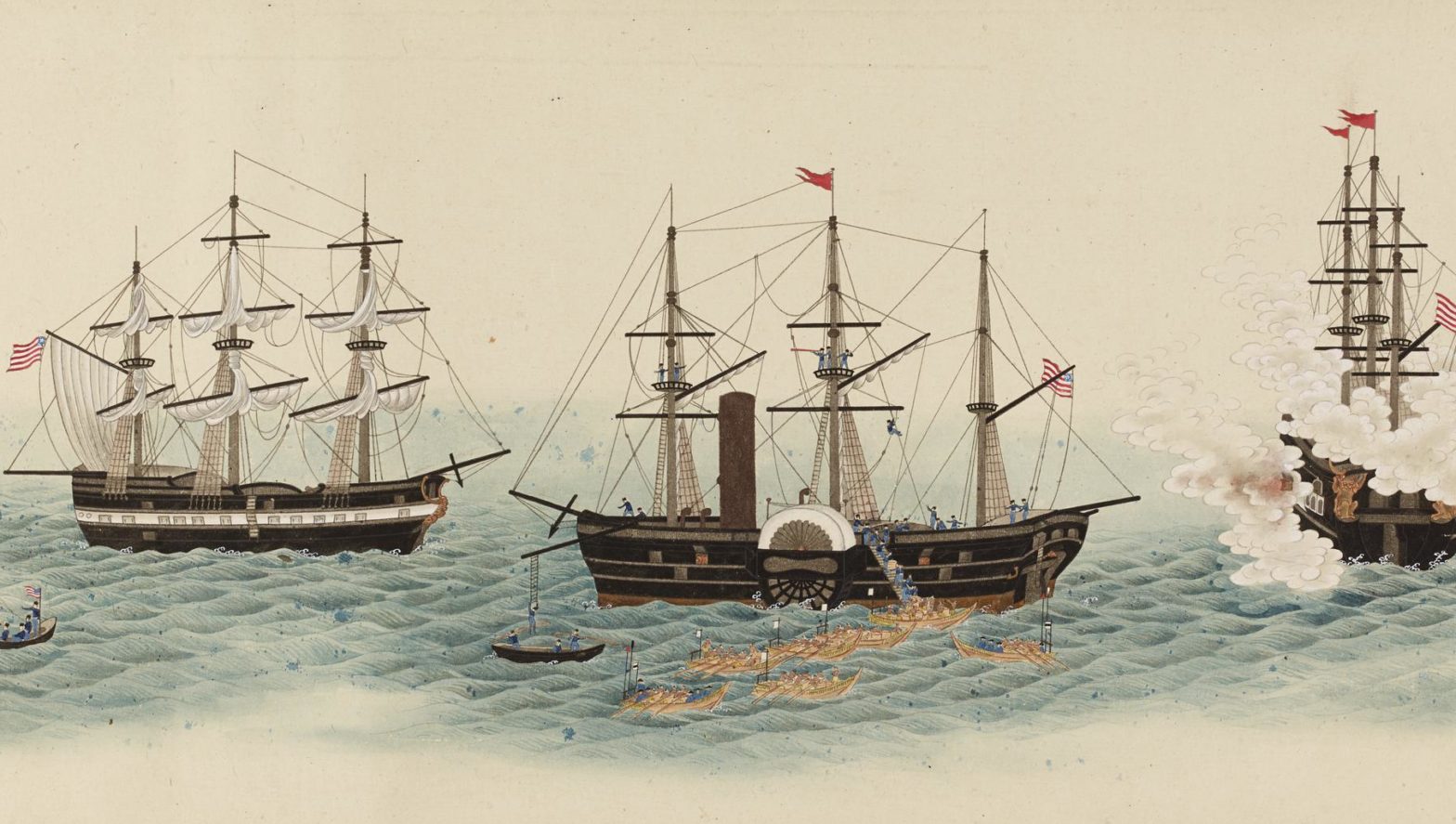
Regarding the introduction of curry to Japan, no exact data available. Various theories exist as to the true origin of Japanese curry, such as possibly Hokkaido or Yokohama city in Kanagawa prefecture. However, we will try to describe one perspective, the Yokohama theory here. American Commodore, Matthew Perry landed his ships in Kurihama, which is currently part of Yokosuka city, in 1853 and opened Japan to the world after centuries of isolation. He was one of the first Westerners that the Japanese people came in contact with. In 1858, the Japan-U.S. Treaty of Amity and Commerce was signed, opening five ports, Hakodate, Niigata, Yokohama, Kobe, and Nagasaki, and thus, trading began. Yokohama, arrow_forward
Life Style

Falling Asleep, Quick Self-Care Through Your Acupressure Points

In Japan, it is generally believed that if you feel pain when you press on the sole of your foot, you might have some sort of ailment. The soles of the feet are also known as the “second heart” and have about 60-70 reflex points or acupuncture points. Massaging the pressure points or pressing them to stimulate the painful areas can improve blood circulation, increase natural healing power, and relieve discomfort. You may also like to read hand acupressure points. An Easy Head & Feet Massage Requiring Little Time & Effort Hyakue (百会)Uses: Stimulation helps promote blood circulation of the scalp which in turn relieves neck and shoulder pain. As arrow_forward
Japanese Diaspora Cultural Footprint

Venerable African Samurai Yasuke to Help the Great Unifier of Japan

Yasuke is a samurai anime series that has been available on Netflix since last month. The story takes place in the middle of the Warring States period (1467–1615), based on actual events of a man from Africa who plays an active role as a samurai. Yasuke trained and was under the command of Nobunaga Oda, who was the most powerful warlord of the day. The Yasuke story tells us something more important than history, which tells us about the importance of Bias-Free communication. In July 1581, the Italian missionary Gnecchi-Soldo Organtino visited Nobunaga in Kyoto, accompanied by an African man that one of them later named Yasuke. Luís Fróis(1532 – arrow_forward
Cultural Footprint

The Original Source Behind ‘Demon Slayer’ – The Unknown Life of A Charcoal Artisan

What is the original story behind the worldwide hit manga & animation, Demon Slayer: Kimetsu no Yaiba? The author makes no mention of what sources inspired her. According to one of our team members, who is an anime otaku, a graphic designer, and also an university educator, one of the inspirations of Demon Slayer is derived from an episode from the book, Yama No Jinsei, A Life in the Mountains by Kunio Yanagida. The author is one of Japan’s leading folklorists, and the book was published in 1926. The story is about a man of about fifty years old who was a Sumiyaki, which is a charcoal-burner/maker in the mountains of Nishi-mino, Gifu prefecture. Sumiyaki arrow_forward

Recent Posts

PAGE TOP