Japanese Diaspora Cultural Footprint

Found Photos of Japanese-Australians Uncover Historical Journeys of the Past

It’s not a well-known fact that Japanese people lived in Australia before the war. When we trace back the friendly relations between Australia and Japan today, we realize that it is thanks to the achievements of Japanese immigrants in the past. In 2015, Mayu Kanamori came across more than 300 photos featuring Japanese nationals at a flea market in a rural town in Australia. The discovery led Kanamori, an artist based in Sydney, to launch a project, Untitled.Showa, to try to identify the people in the photos and the story behind them, for instance why they were found in Australia. Anyone can participate in the project. Participants are asked to explore ways arrow_forward
Japanese Diaspora Cultural Footprint

Deconstructing Creativity: ‘Japas’ Craft Beer, Created by a Trio of Female Japanese-Brazilians

Brazil is home to the world’s largest Japanese populations outside of Japan, numbering about 1.5 million people. The Japanese Brazilians are either 1) Japanese people from Japan who immigrated to Brazil and then became naturalized Brazilian citizens; or 2) those born in Brazil with varying degrees of Japanese ethnicity. There were many reasons why there was an influx of Japanese people coming to Brazil. Back in 1868, Japan was suffering from poverty and high unemployment during the Mejii Period (1868-1912). Consequently, the number of Japanese wishing to emigrate increased. Many of them were dreaming of working abroad to save money and eventually return to Japan. However once they arrived, many others arrow_forward
Japanese Diaspora Cultural Footprint

The Hidden Story: The Cultural Heritage of Okinawan Tattoos

More than 120 years ago, the custom of hajichi, a deep blue pattern tattooed on the back of women’s hands in Okinawa and the Ryukyu Islands, was banned by the Meiji government and gradually disappeared. Hajichi was the cultural heritage of the Ryukyu Kingdom, a rite of passage to mark the coming of age, marriage, and a talisman, which was desired by women. Lee Tonouchi, a fourth-generation Okinawan writer born and raised in Hawaiʻi, discusses the origins of Hawaiʻi Creole also known as Pidgin, as well as the diversity of the cultures in Hawaiʻi, and his own experience with hajichi. Tonouchi wrote Okinawan Princess: Da Legend of Hajichi Tattoos (2019). He said he was motivated to arrow_forward
Life Style

Mindful Eating: a Microcosm of How We Conduct Our Lives

In Japan, there is an increasing number of people practicing mindful eating — a meditative way of enjoying our food. Traditionally, expressing gratitude before eating is something that is embedded in Japanese culture as part of the daily ritual. Mindful Eating: A Guide to Re-establishing a Healthy and Joyful Relationship with Food by Jan Chozen Bays was published in 2009 and is regarded as the pioneering book, which introduced the concept of mindful eating to the readers in the U.S. Mindful eating is not just about eating, but is about being present with the food in front of you, concentrating on that moment, and reflecting on your inner self. According arrow_forward
Table For One Me Time Guide Life Style Cultural Footprint

Getting Perfect Me Time in Classic Tokyo’s Cafes

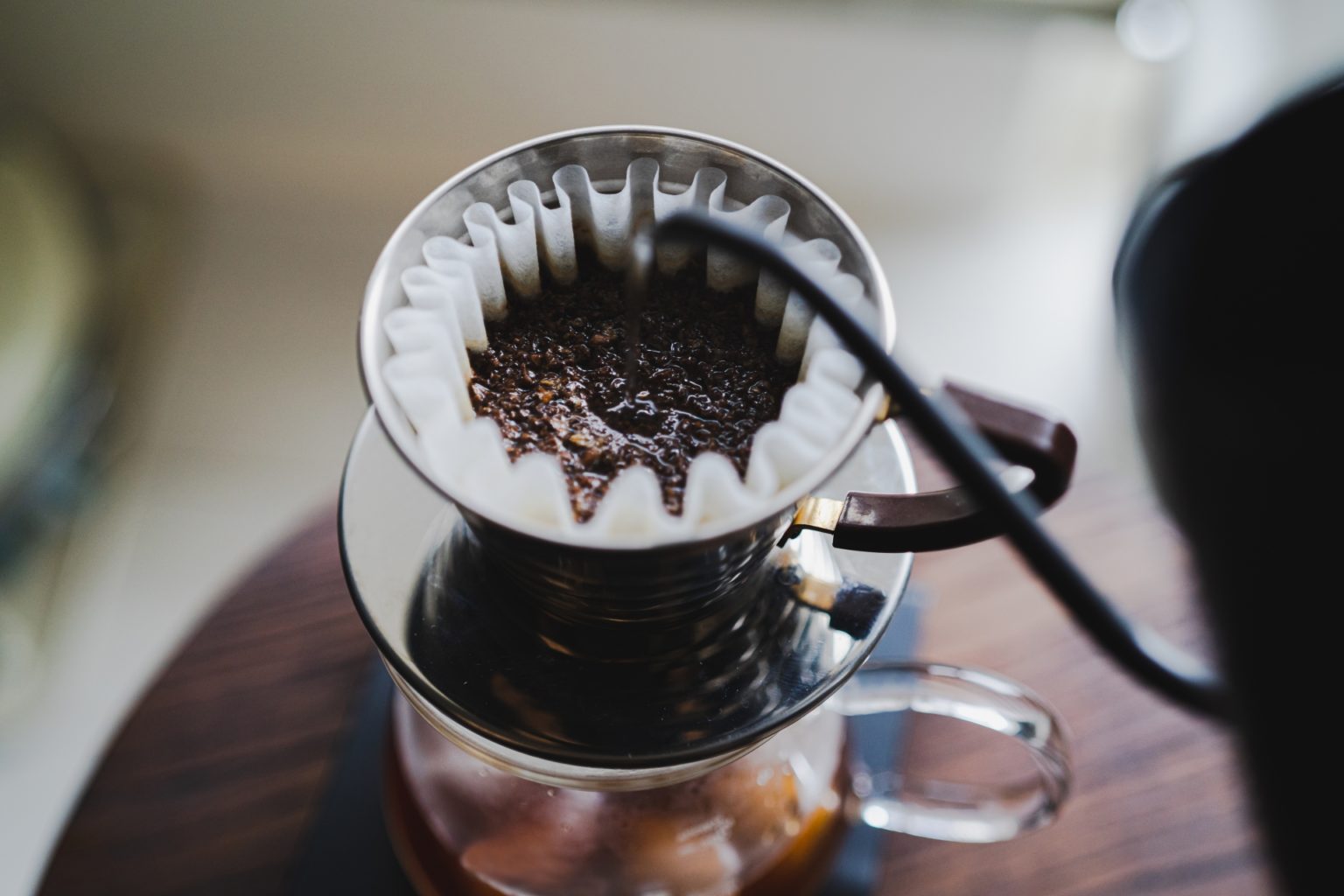
The coffee culture in Tokyo draws inspiration from different global influences including various American coffee style cafes to authentic Italian espresso bars, as well as entertainment cafes like the maid cafes (where waitresses are dressed in maid outfits), and numerous cuddly animal cafes which showcase cats, owls and mini pigs to name a few. We’ve reached new heights in the variety of cafes and the coffee culture in Tokyo. The local coffee shop has become more than just a cup of coffee. It has become the perfect place for get-togethers, chats with your loved ones, spending some quality Me Time, or meeting for business purposes. We are here to help arrow_forward
Table For One Me Time Guide

10 of the Most Heavenly Places in Tokyo for the Sweet Tooth

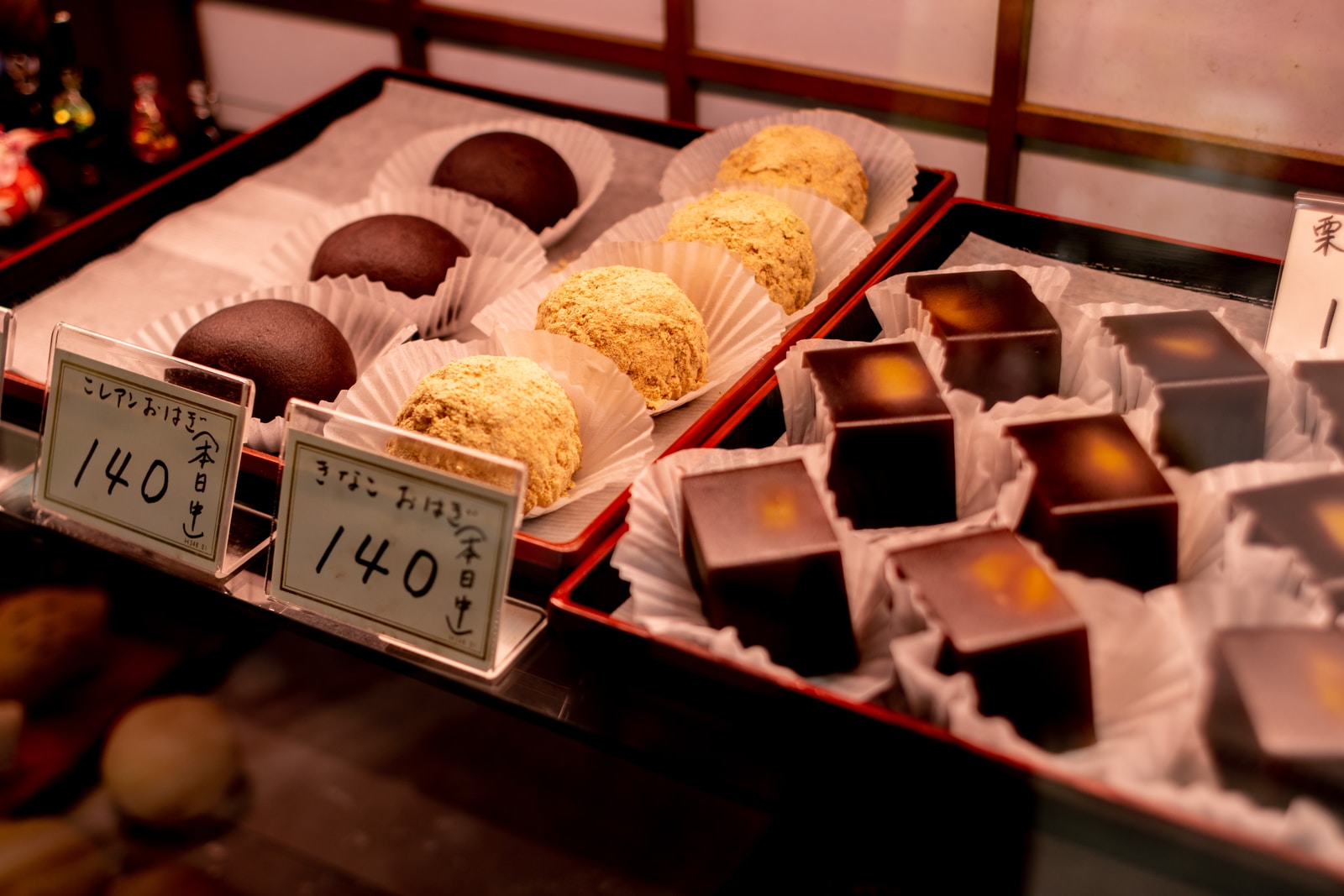
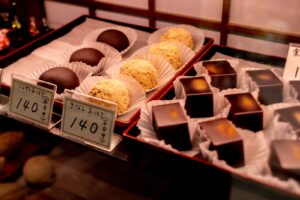
Many Japanese are obsessed with sweets. If you happen to have watched the Netflix series, Saboriman Ametani Kantarou, based on a Japanese Manga story, it provides you just a glimpse of the population’s passion for desserts. On this show, you can see there are so many glamorized visual presentations of desserts in Japan. It is not surprising to see a man like Kantaro enjoying sweets alone at a cafe. From children to senior citizens, everyone loves to enjoy sweets. Western-style sweets were first introduced to Japan in the Meiji civilization and enlightenment period (1868 to 1912). During this era, coffee shops flourished and people ate Western-style sweets while drinking coffee. Many shops still carry arrow_forward
Me Time Guide Cultural Footprint

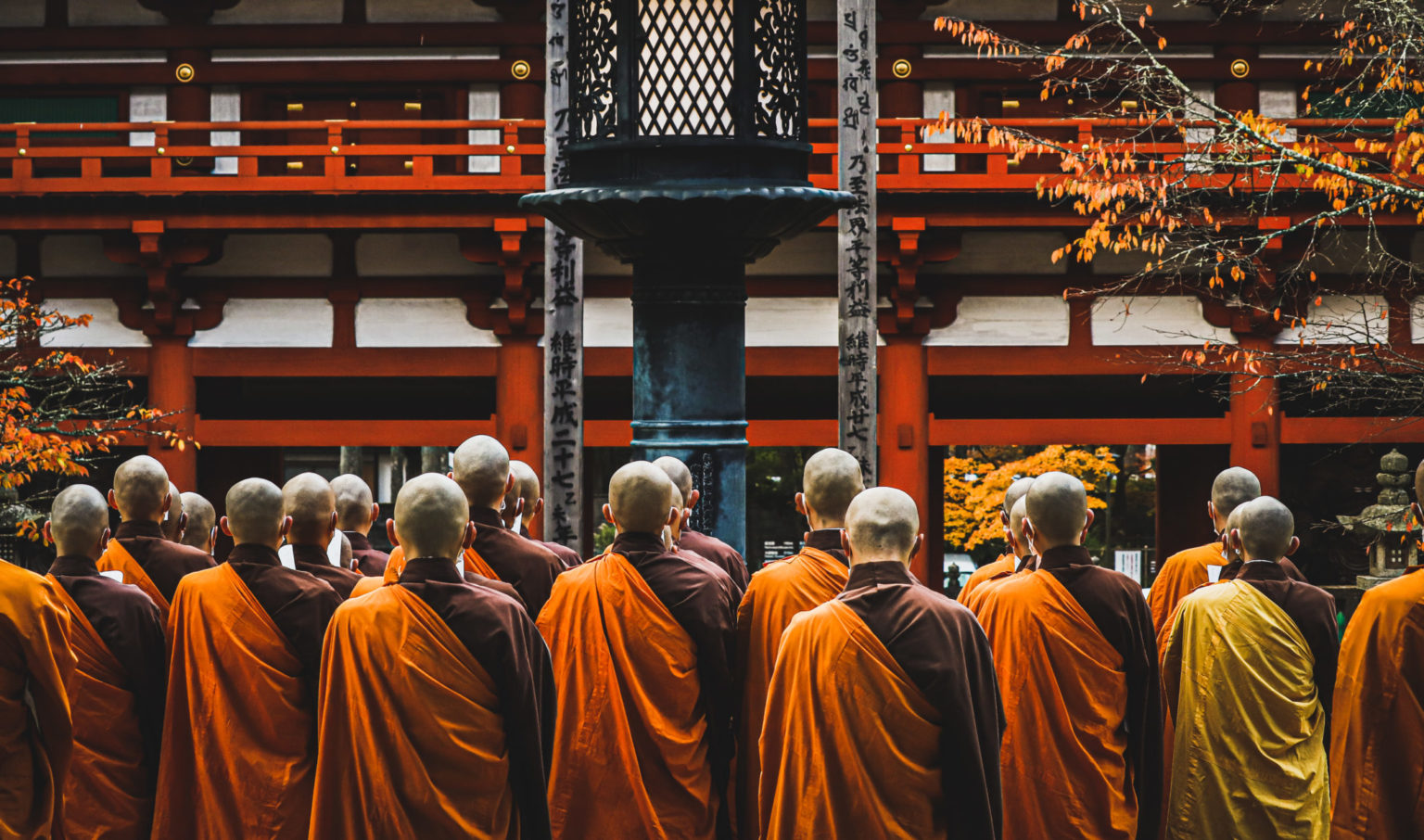
The Old Meets the New: Living like a Monk, a Temple Stay Guide

Buddhist practices, such as mindfulness and mindful eating, are spreading more and more as a part of changes in one’s lifestyle in western countries. There are many Buddhists in Asia, as well as many curious people outside of Japan who say that Japanese people appear to be Atheists. However, many Japanese are just simply not religious even though they were born to Shinto rites, married with Shinto or Christian rites, and buried with Buddhist rites. They habitually go to shrines and temples to pray to gods and Buddha during New Year’s and during other traditional religious events. Regardless, many Japanese people never think about what they believe in and what arrow_forward
Life Style Cultural Footprint

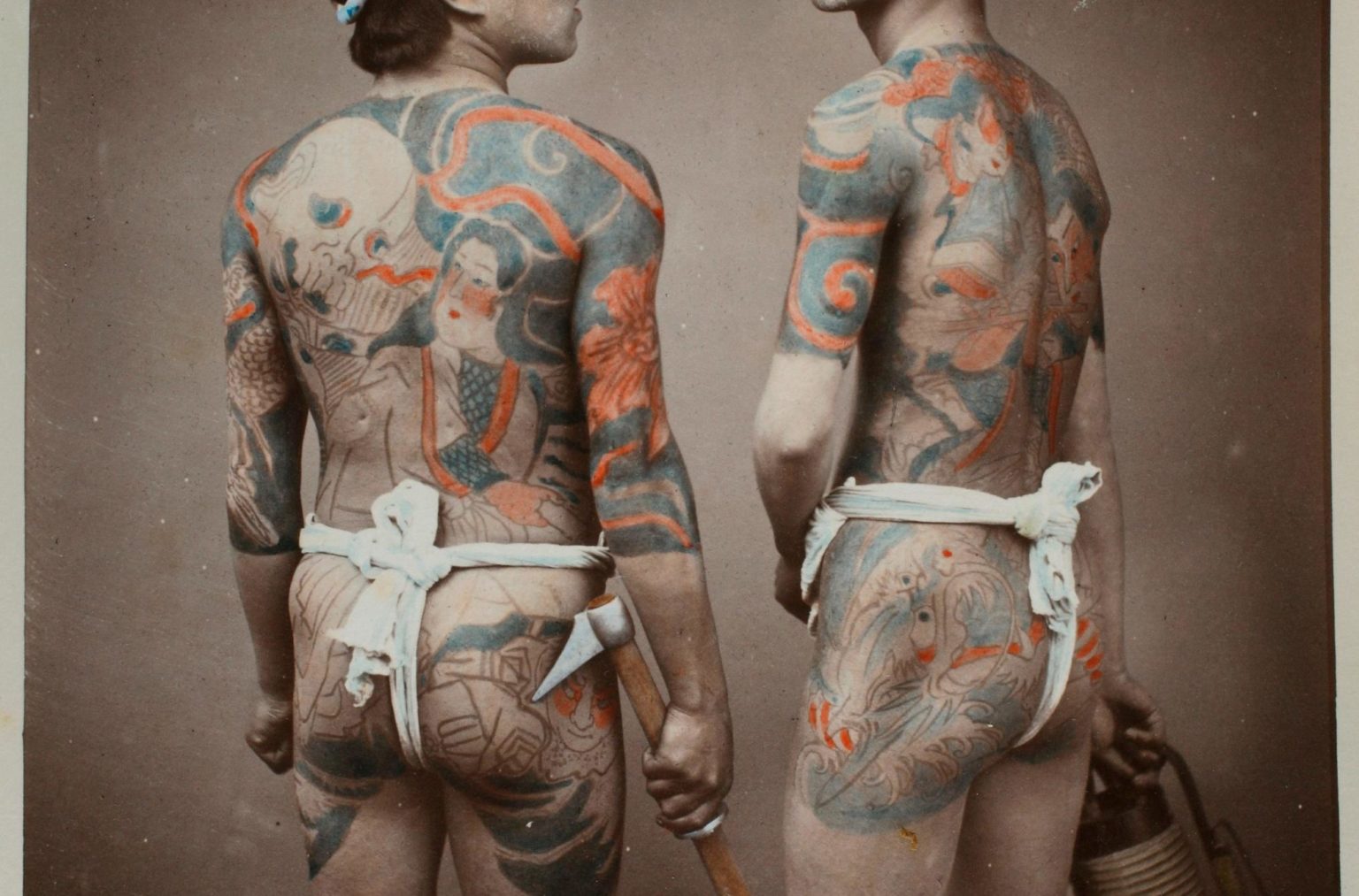
Love or Hate – Japan’s Mysterious Tattoo Culture

Many curious people outside of Japan ask us about the some of the stigmas surrounding Japanese people having tattoos. They first ask, “Why can’t Japanese people with tattoos seem to buy life insurance?” and secondly they ask, “Why are people with tattoos frequently not allowed in Japanese public baths?“. At first glance there seems to be a definite negative bias and discrimination towards those with tattoos. However, while some view tattoos as an art form, the Japanese government, on the other hand, does not. “Why can’t many Japanese people with tattoos buy life insurance?” The first reason is that there is a long-held belief that tattoos represent the Japanese criminal syndicates arrow_forward
Life Style

How to Enjoy Your Single Solo Life in One of the Most Aging Countries

According to the National Institute of Population and Social Security Research (IPSS), one in four women are expected to become single for life in the next 10 years in Japan. This is due to the increase in middle-aged divorce, separation, and other factors. Thus many of these Japanese women are coming to realize the importance of spending quality time for themselves and enjoying experiences by themselves. This realization is magnified especially during the COVID-19 pandemic as people were more isolated in their homes and feeling more lonely. For many reasons, it is an ideal time for single people embrace solo living and to enjoy Me Time. Actually many single people arrow_forward
Table For One Cultural Footprint

Why Japanese Curry is so Popular in Japan: Its Unique Origins

When people think of Japanese food, many of us typically imagine sushi, soba, ramen, and yakitori. However, the fact is that Japan is actually the world’s second largest curry-loving country —of course, India is number one, based on the annual consumption of curry powder in the world. In Japanese, curry is called karē raisu, which means curry over rice. According to a survey by S&B FOODS, a Japanese company that produces and sells curry and spices, the average Japanese individual eats more than 80 servings of curry per year, or roughly once a week. There are many specialty curry restaurants in Japan, and curry is also very frequently prepared at home. arrow_forward

Recent Posts

PAGE TOP