
Experiencing Shojin Ryori: A Mindful Japanese Travel Experience
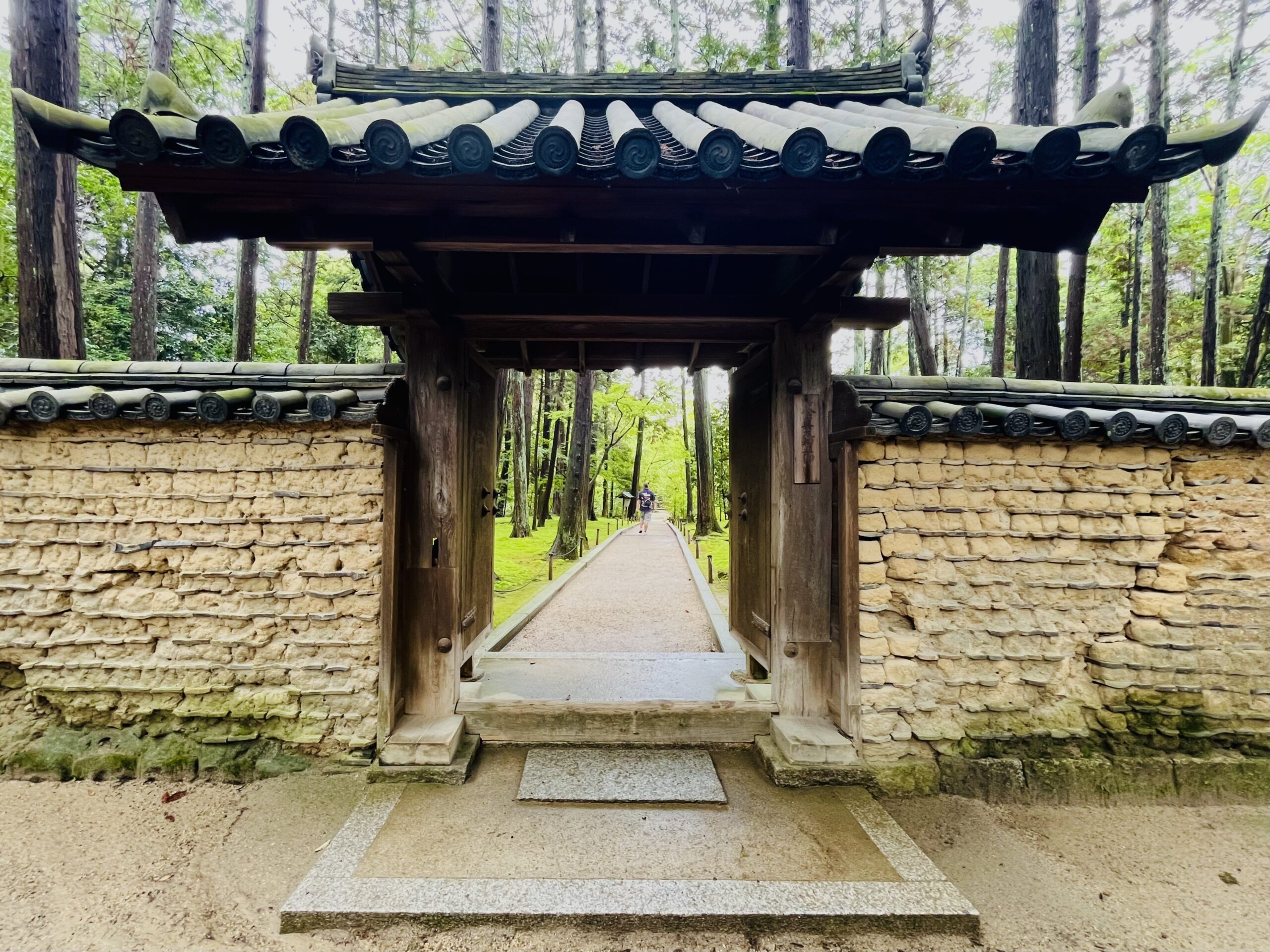
How a Temple Meal Teaches Mindfulness on Your Japan Journey
A quiet temple meal can reveal something unexpected about how we eat and travel. This is one moment from our journey in Japan, and what it quietly taught us about mindfulness.
One Meal at a Temple
During our Japanese journey, we sit at a long wooden table inside a temple dining hall. The room is simple and quiet, separated from the busy world outside. Soft light filters in, and for a moment, no one speaks. Much of what we learned about shojin ryori came directly from the monks who prepared these meals.
A tray is placed in front of us. Rice porridge, a clear soup, a small dish of vegetables, and pickles. Nothing looks elaborate. And yet, nothing feels lacking. Before we eat, we bring our hands together and say itadakimasu. It is not a habit we consciously learned.
It simply feels like the right thing to do here. As we take the first few bites, we realize that this meal asks something different of us. It invites us to slow down—not in a forced way, but naturally. We find ourselves paying attention.
A Meal Shaped by Zen Practice
Shojin ryori was originally created as everyday food for Buddhist monks in training. According to the monks we spoke with, these meals are crafted with careful attention to every detail. The cuisine contains no meat or fish, relying instead on plant-based ingredients such as vegetables, wild mountain plants, seaweed, and beans. A typical day begins with rice porridge and pickles, followed by a simple meal of soup and one dish at midday, and a light rice dish in the evening.
At first glance, the meals may appear modest. But it doesn’t take long to notice how much time and care go into each one. The broth is made by soaking kombu kelp, dried shiitake mushrooms, or soybeans overnight—sometimes for two nights—to gently draw out their natural umami. Even grinding sesame seeds is done without haste. What matters here is not speed, but care.
Ingredients are often gathered from nearby mountains, fields, or the sea. For monks, even walking to find food is considered part of daily practice. Preparing, sourcing, and eating food are all deeply connected. Seen this way, shojin ryori can be understood as an ancient practice of paying close attention to eating.
Is Shojin Ryori Really Delicious?
“Is it good?”
“It’s all vegetables, right?”
These are questions we often hear—and ones we might ask ourselves before sitting down at a temple table. The answer is simple. It’s far more delicious than most people expect. Because the ingredients are limited, creativity becomes essential.
Every detail matters: how the broth is made, how long something is cooked, how it is cut, how it is arranged. The temple kitchen is overseen by a monk known as the tenzo, a role that requires years of training and deep dedication. Even without animal-based stock, the flavors drawn from kombu and shiitake are rich and satisfying. After the first bite, we often exchange glances, quietly surprised by the depth of flavor. Moments like that stay with us.
What We Mean When We Say “Itadakimasu”
Before eating, we naturally bring our hands together. As one monk explained, saying itadakimasu is not just a signal to start eating—it’s a way to honor the life in every grain and vegetable. Every grain of rice, every vegetable, carries life. We live by receiving other lives.
Shojin ryori does not lecture us about this idea. It simply allows us to remember it. Food prepared with care encourages us to eat with care. And eating with care creates space for gratitude.
In the middle of a journey, shojin ryori offers something rare: a quiet moment to pause, and to think—just a little more gently—about what it means to eat, and to live.
Bring Mindfulness Into Your Japan Journey
The lesson does not end with one meal. Awareness of how we eat can extend to every step we take while traveling in Japan. If you want to experience mindful Japanese travel and traditional shojin ryori for yourself, explore our guided mindfulness journeys.
Slow down, connect with your surroundings, and discover how your journey through Japan can become a practice in mindfulness—not just a series of destinations.




 Instagram