Me Time Guide

There are plenty of fun things to do on your Me Time. Here are some of the trend and best solo activities to try out!

Table For One Me Time Guide

Where to Eat in Tokyo: The Real Curry Guide
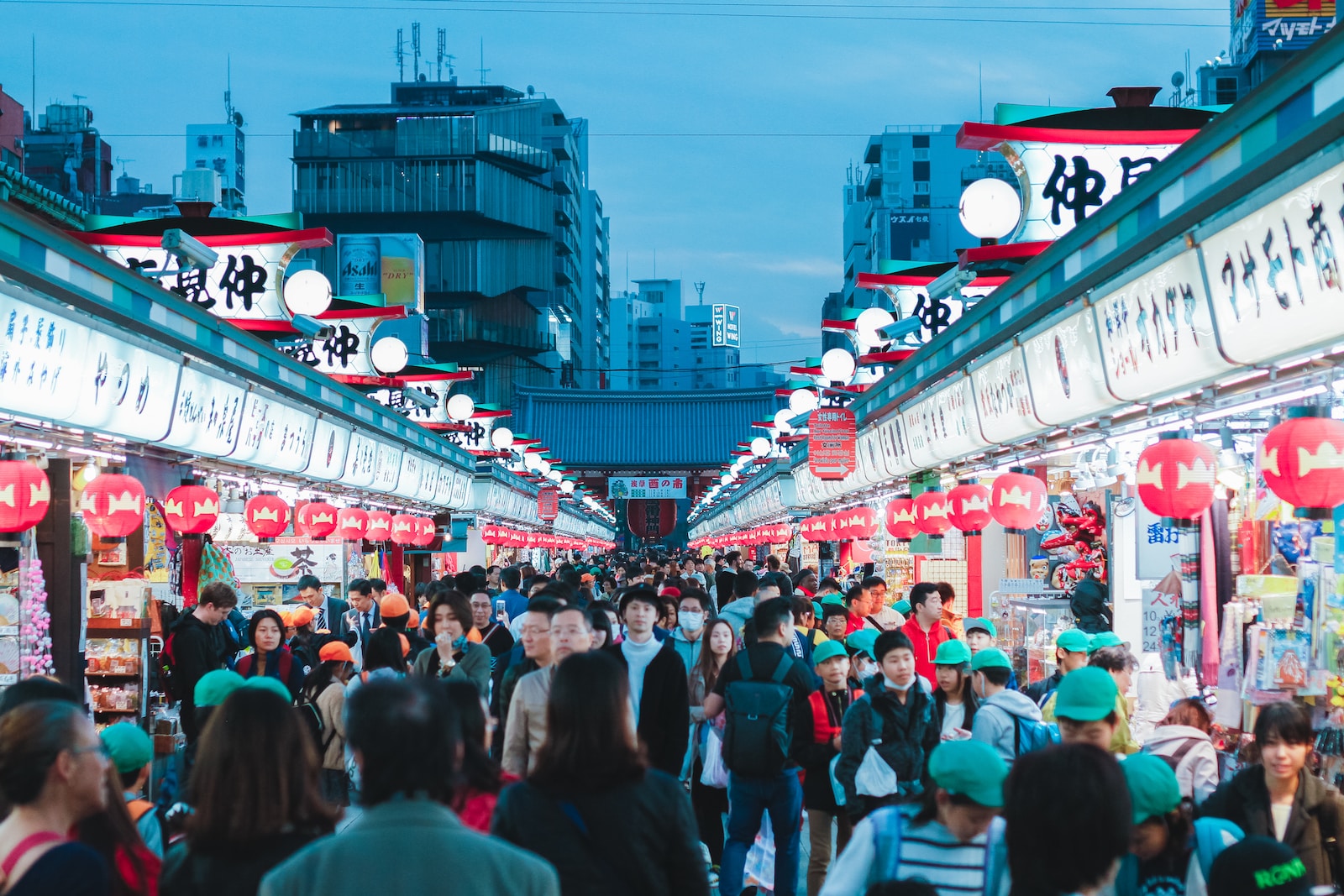
The food experience is one of the best attractions in Japan. When people typically think of Japanese food, many of us imagine sushi, soba, ramen, and yakitori. The fact is that Japan is the world’s second-largest curry-loving country!   In Tokyo, Jinbōchō is an essential place when talking about curry. Since the Meiji era, the area has been known as a student town populated with many schools and bookstores. There are over 150 antiquarian bookstores still located there today. According to curry lovers, Jinbōchō had an abundance of curry restaurants from 1965 to 1984. Many of the men in their late teens to 30s used to come here to buy old books and arrow_forward
Me Time Guide Life Style

The Great Self Re-Evaluation: Discovering Modern Minimalism

In 2015, the word “Minimalist” began to attract attention in Japan as this word was nominated for the New Word/Buzzword Awards, an annual contest in Japan. In 2017, the word became increasingly popular internationally after Fumio Sasaki, a well-known Japanese Minimalist, published a book titled, Goodbye, Things: The New Japanese Minimalism. Sasaki’s lifestyle book was published in English and uniquely became a reverse import back to Japan from the States after the book became a best-selling phenomenon elsewhere. Before the development of the Minimalist mindset, many Japanese spent excessive hours/days for work and believed that money could buy happiness. However, in 2011, there was a significant earthquake in Japan, and arrow_forward
Table For One Me Time Guide Life Style Cultural Footprint

Getting Perfect Me Time in Classic Tokyo’s Cafes

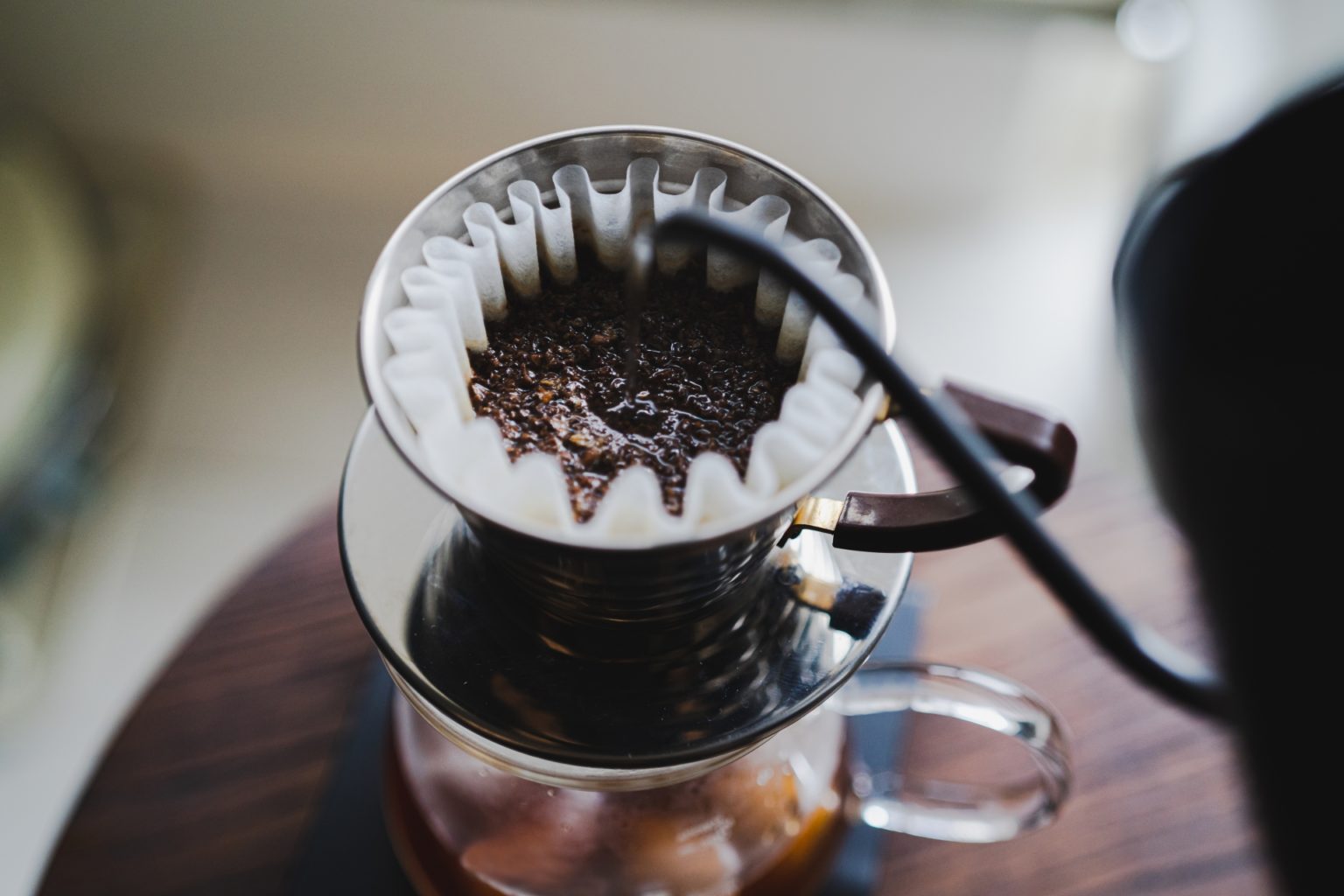
The coffee culture in Tokyo draws inspiration from different global influences including various American coffee style cafes to authentic Italian espresso bars, as well as entertainment cafes like the maid cafes (where waitresses are dressed in maid outfits), and numerous cuddly animal cafes which showcase cats, owls and mini pigs to name a few. We’ve reached new heights in the variety of cafes and the coffee culture in Tokyo. The local coffee shop has become more than just a cup of coffee. It has become the perfect place for get-togethers, chats with your loved ones, spending some quality Me Time, or meeting for business purposes. We are here to help arrow_forward
Table For One Me Time Guide

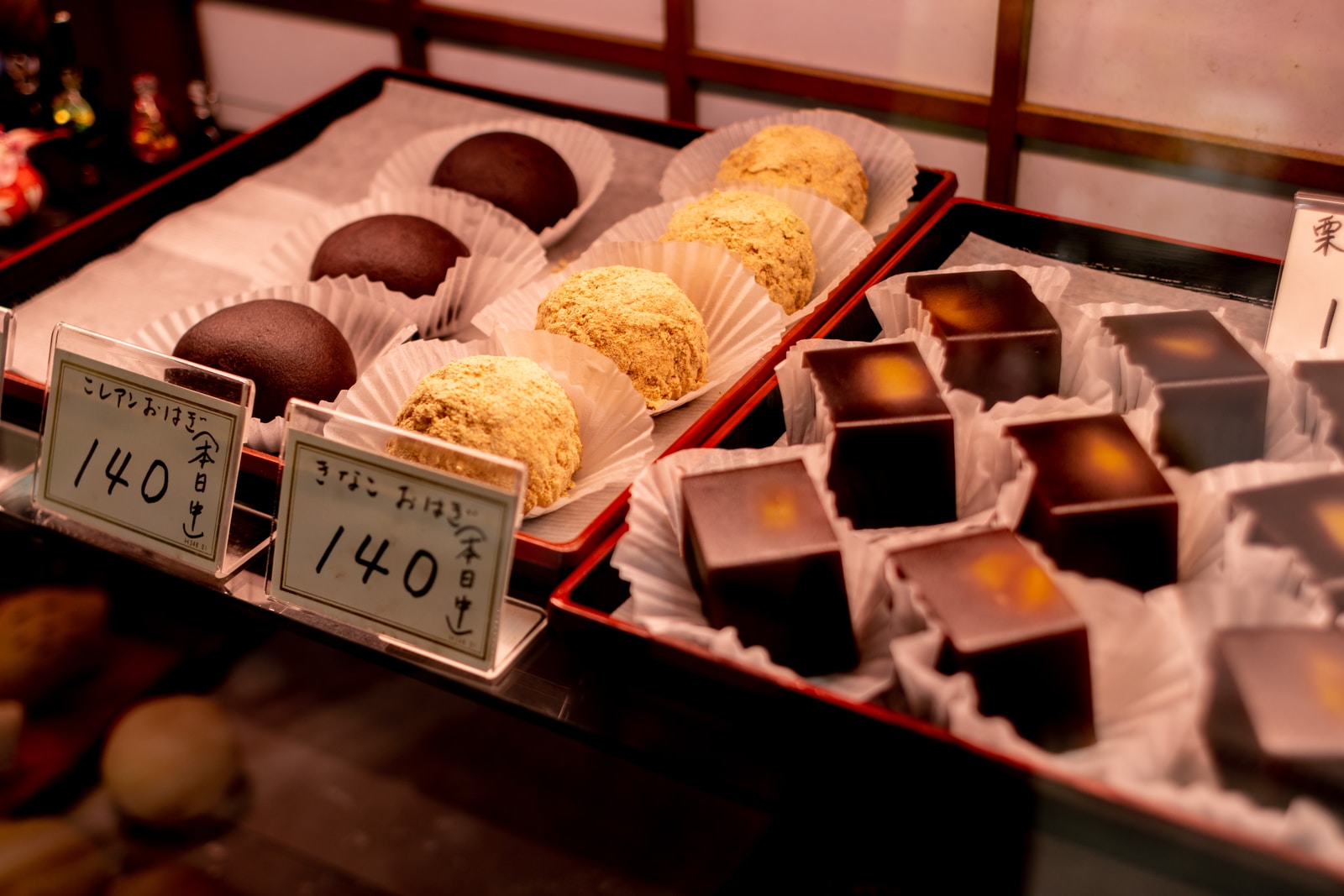
10 of the Most Heavenly Places in Tokyo for the Sweet Tooth

Many Japanese are obsessed with sweets. If you happen to have watched the Netflix series, Saboriman Ametani Kantarou, based on a Japanese Manga story, it provides you just a glimpse of the population’s passion for desserts. On this show, you can see there are so many glamorized visual presentations of desserts in Japan. It is not surprising to see a man like Kantaro enjoying sweets alone at a cafe. From children to senior citizens, everyone loves to enjoy sweets. Western-style sweets were first introduced to Japan in the Meiji civilization and enlightenment period (1868 to 1912). During this era, coffee shops flourished and people ate Western-style sweets while drinking coffee. Many shops still carry arrow_forward
Me Time Guide Cultural Footprint

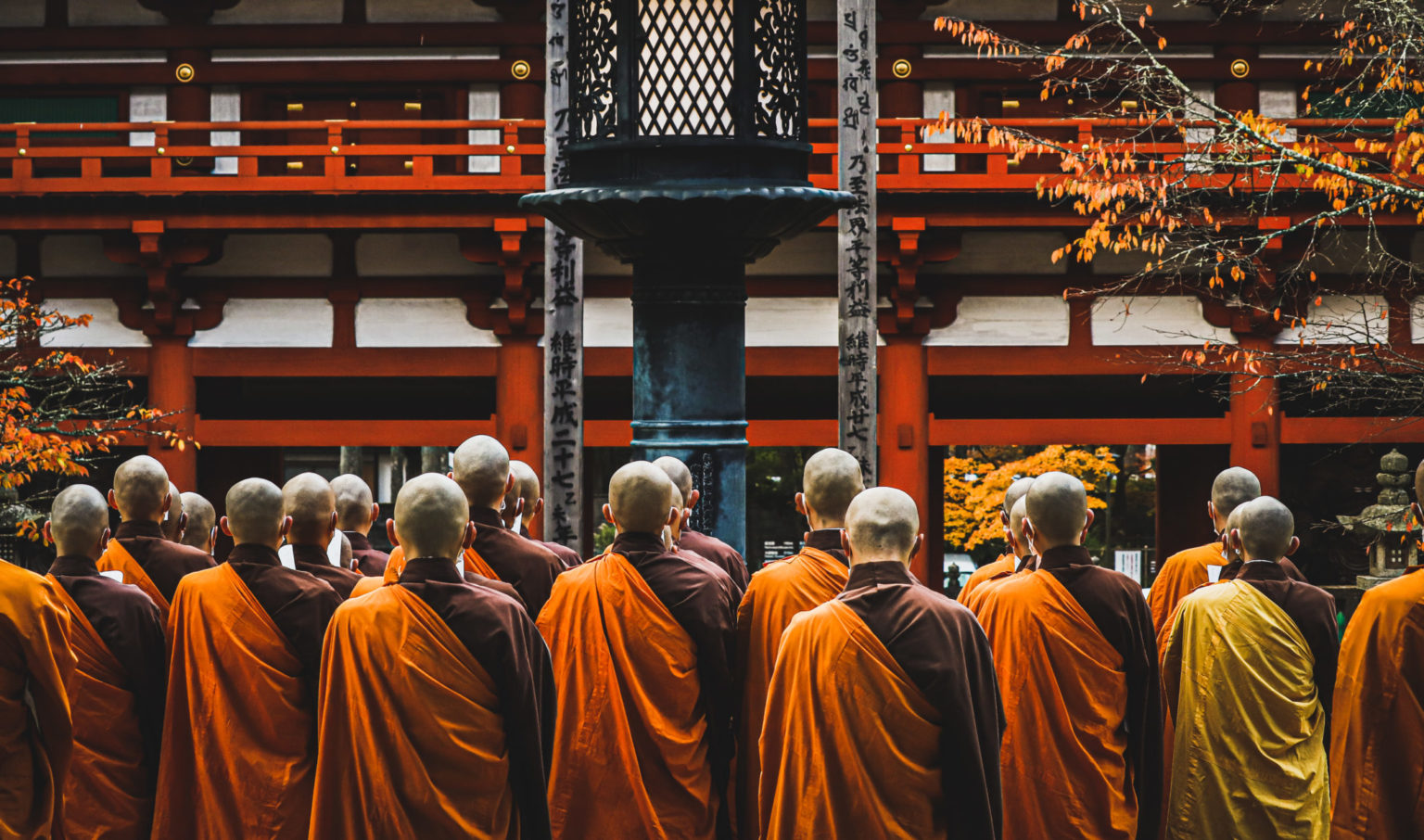
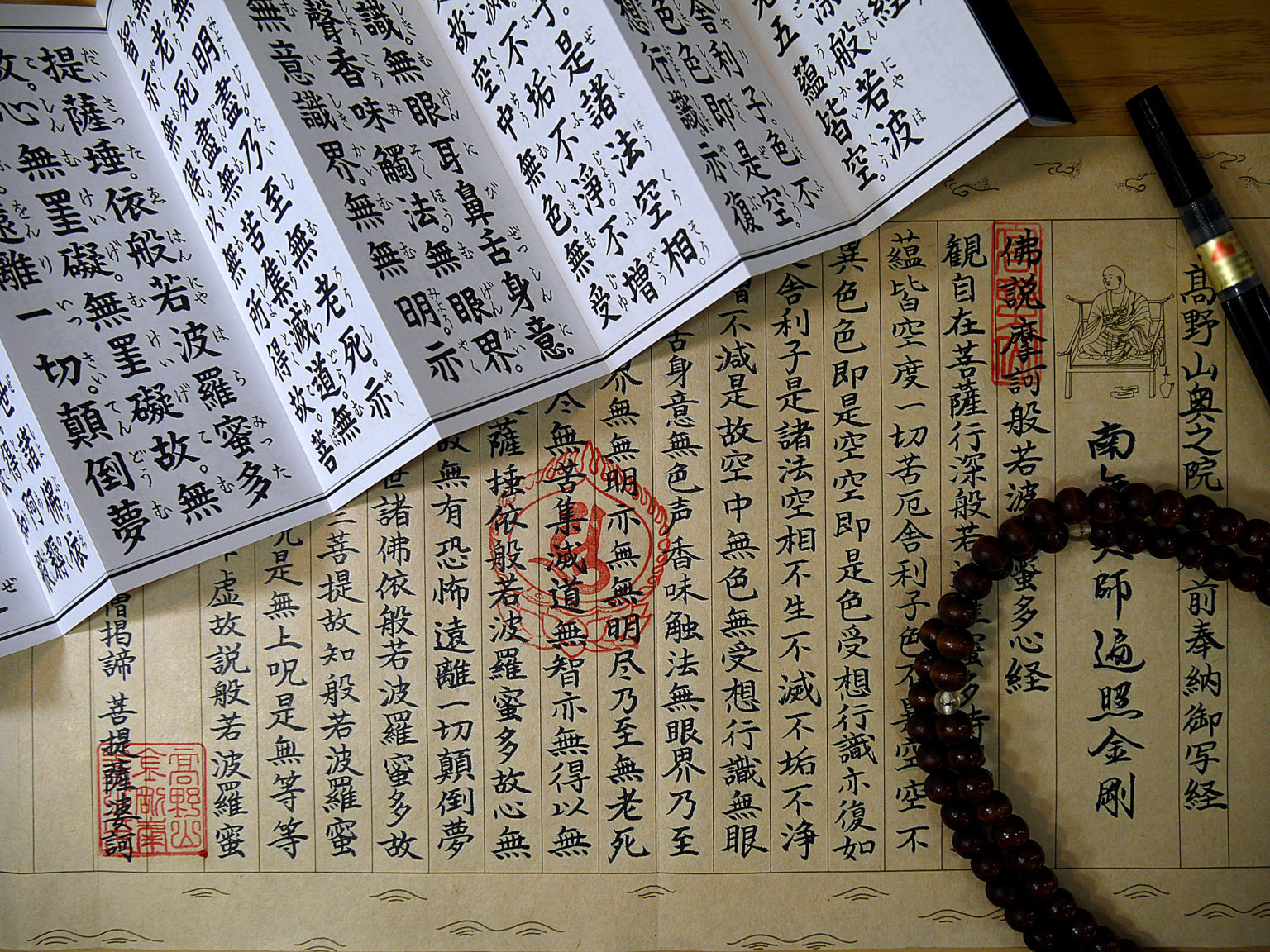
The Old Meets the New: Living like a Monk, a Temple Stay Guide

Buddhist practices, such as mindfulness and mindful eating, are spreading more and more as a part of changes in one’s lifestyle in western countries. There are many Buddhists in Asia, as well as many curious people outside of Japan who say that Japanese people appear to be Atheists. However, many Japanese are just simply not religious even though they were born to Shinto rites, married with Shinto or Christian rites, and buried with Buddhist rites. They habitually go to shrines and temples to pray to gods and Buddha during New Year’s and during other traditional religious events. Regardless, many Japanese people never think about what they believe in and what arrow_forward
Me Time Guide Life Style Cultural Footprint

Minimalism Stories You Should Read in Your Lifetime

Autumn is a great time to expand your artistic horizons and interests, whether it’s arts, movies, theatrical performances, classical music, or jazz. We think one of the easiest and convenient things to do by ourselves every fall is to read. In Japan, there is a saying, “Autumn is the season for reading.” We considered it to be the best season for deepening our knowledge. We will introduce you to recommended Japanese pieces of literature which will enhance your life. While the most recognizable Japanese author is Haruki Murakami, a younger generation of writers is making its mark. In recent years, many contemporary Japanese works of literature have been translated into arrow_forward
Me Time Guide Cultural Footprint

Looking for Good Health in Ancient Japanese Culture

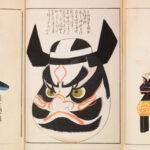
In Japanese ancient times, it was believed that epidemics were caused by invisible beings such as “plague deities”. The imagined pestilence deities looked like demons or yokai (妖怪, Japanese monsters) and would haunt people or enter their homes to make them sick. To avoid contracting the plague, it is necessary to drive away these plague deities and ultimately keep them away completely, so a variety of charms, banners, curses, and rituals were established for this purpose.  During the Edo period (1600-1868), there were many books, novels, ukiyo-e woodblock prints, and Kyoka poems (狂歌, which contain social satire, irony, and humor) written on the theme of epidemics. This fact shows that arrow_forward
Me Time Guide Cultural Footprint

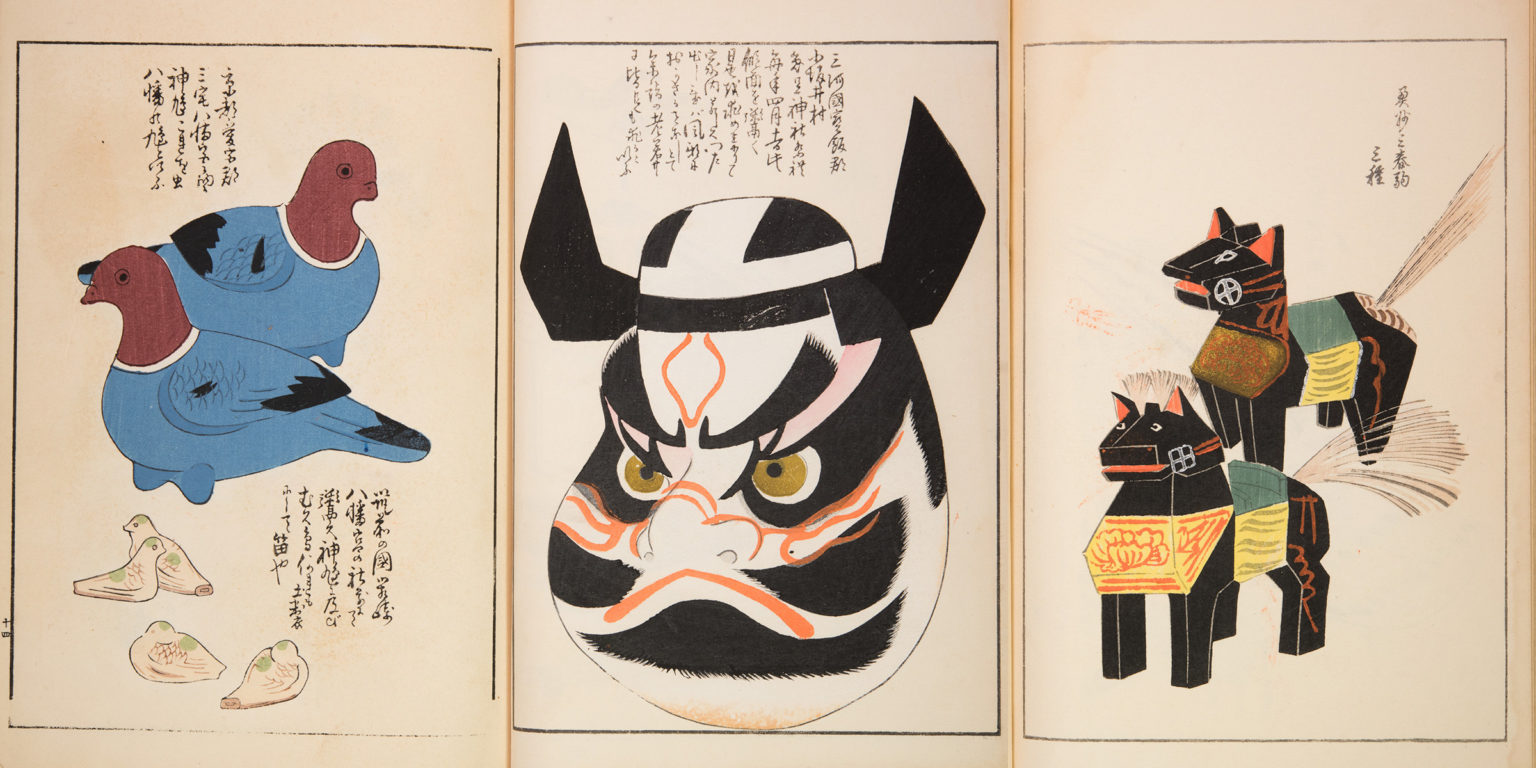
Guide to Japanese Ancient Lucky Charms Enriching Your Life

The half-fish, half-human creature known as Amabie began appearing on social media in Japan last year and went viral. Many Japanese cartoonists have adapted the creature in their own styles, sharing the images to spread hope and positivity amid the face of the coronavirus. Many people say that Japanese people have no religious affiliation, but since ancient times, we have deep-rooted beliefs in folklore. There are a numerous variety of lucky charms all over the country, which create sources of comfort, inspiration, and motivation. In 1822 during the Edo period (1603-1868), there was a cholera epidemic in Osaka. During that time a medicine merchant in the town of Shudo handed out pills arrow_forward
Table For One Me Time Guide

Farm-to-Table & Spice Magic: Soup Curry In Hokkaido

In Japan, curry is one of the perfect dishes for a Table For One, as known by solo diners. The Japanese curry is a convenient food, just like ramen and conveyor belt sushi, known as Kaiten-zushi. These dining venues that serve these foods are gender-free and feel very comfortable for soloists to have lunch or dinner. Since curry was introduced to Japan from the UK, it has been served in restaurants and cafes. Households also like to prepare their own unique curry. During the 1980s and 1990s, there was an ethnic food boom in Tokyo, led by Southeast Asian cuisine. In the beginning of the 2000’s, the media reported that “Jimbocho arrow_forward
Table For One Me Time Guide

Discover the Japanese Curry: The Complete Guide in Yokohama

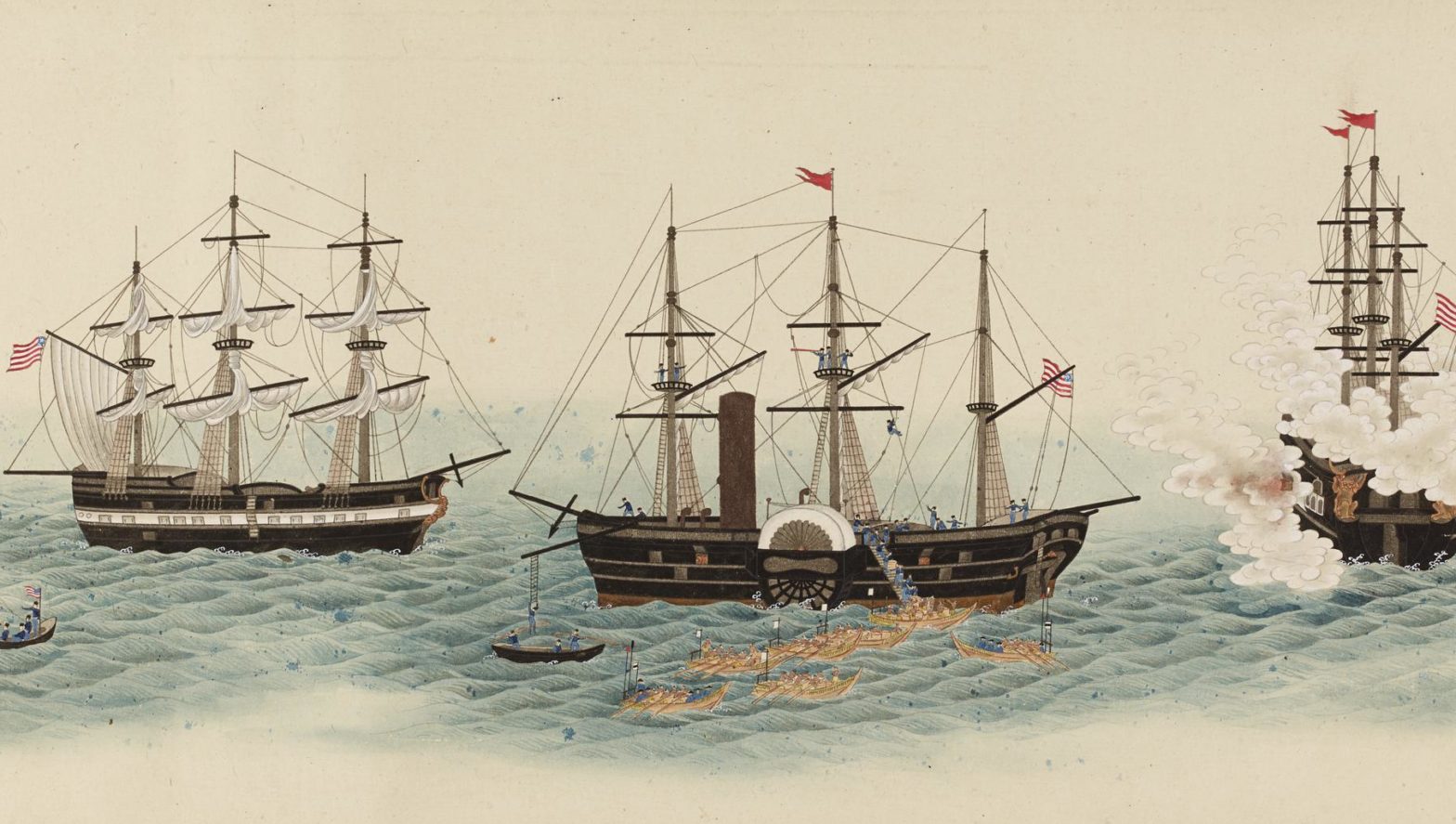
Regarding the introduction of curry to Japan, no exact data available. Various theories exist as to the true origin of Japanese curry, such as possibly Hokkaido or Yokohama city in Kanagawa prefecture. However, we will try to describe one perspective, the Yokohama theory here. American Commodore, Matthew Perry landed his ships in Kurihama, which is currently part of Yokosuka city, in 1853 and opened Japan to the world after centuries of isolation. He was one of the first Westerners that the Japanese people came in contact with. In 1858, the Japan-U.S. Treaty of Amity and Commerce was signed, opening five ports, Hakodate, Niigata, Yokohama, Kobe, and Nagasaki, and thus, trading began. Yokohama, arrow_forward

Recent Posts

PAGE TOP