Japanese Diaspora

Your Story is Our Story: Uncovering the Little-known History of Japanese Americans

Portland, Oregon, once had a Japantown, where many Nikkei lived. We trace the past and present of Japanese Americans with Jana Iwasaki, a board member of the Japanese American Museum of Oregon. There are two places in Portland with deep ties to Japan. One is the Japanese American Museum of Oregon (JAMO), formerly known as the Oregon Nikkei Legacy Center, which has served as a community center and a place to educate and explore the Japanese American experience and its role in Oregon’s multicultural community. Visitors can find archival materials about Japantown as well as exhibits about World War II American concentration camps for people of Japanese descent.  The other arrow_forward
Me Time Guide Cultural Footprint

Discover a Better Connection of You, Best Hiking Destinations

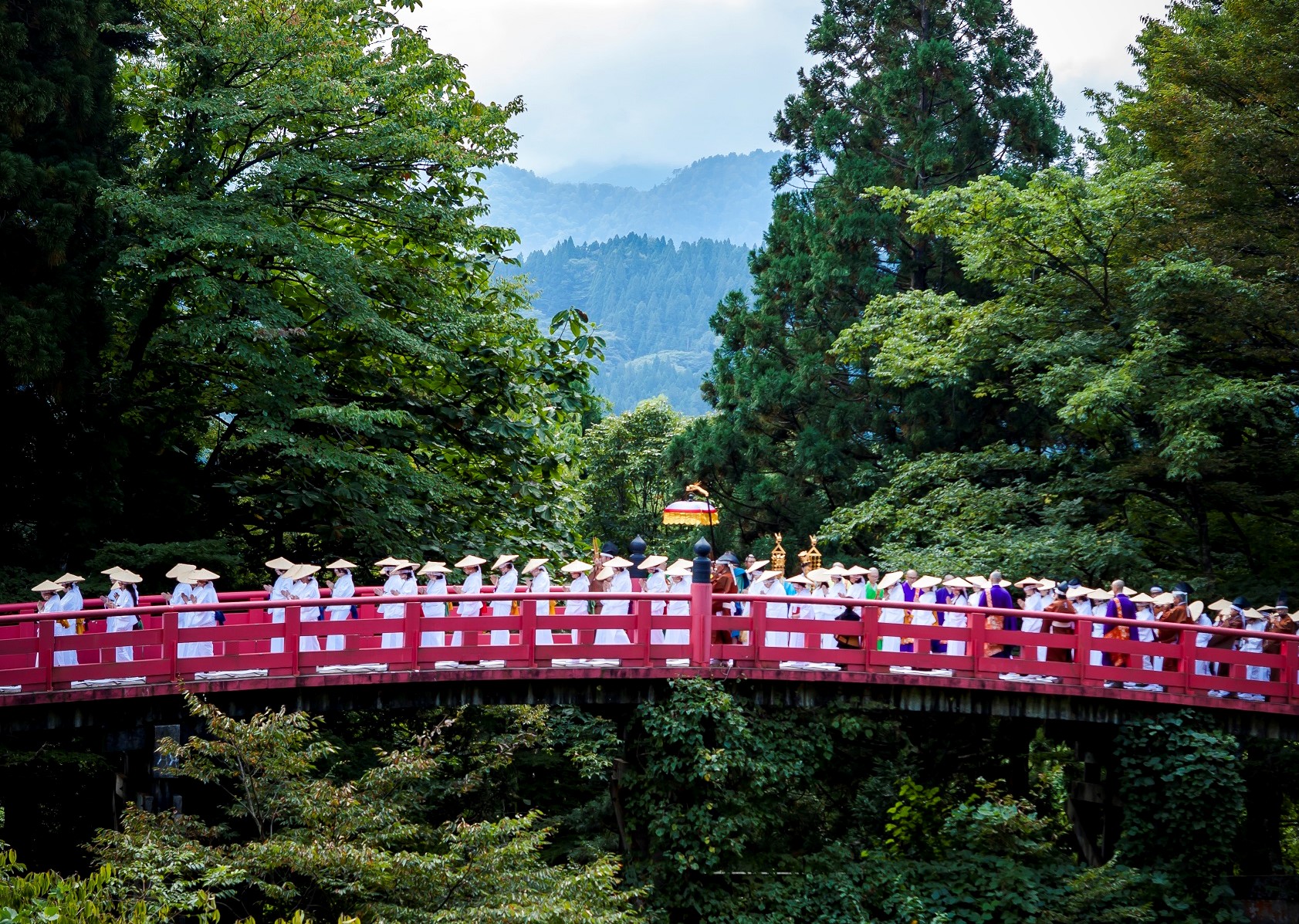
Mountains have long served a major role in people’s lives, providing water, food, and housing materials such as woods and rocks. Throughout history, mountains have also been an integral part of many of the world’s religions. From the ancient times of Japanese mythology to the present day, mountains have been important, and many have become spiritual spots. Many Japanese people want to visit the pilgrimage sites in Japan at least once in their lifetime. The following list is two of the three most sacred mountains in Japan, Mt.Tate, and Mt.Haku. The other one is Japan’s highest mountain, Fuji. Characteristics of Female Salvation: Mt.Tate (Toyama Prefecture) The most distinctive feature of arrow_forward
Cultural Footprint

Recharge Your Mind and Soul: Zen Hiking to Mt. Fuji

In Japan, roughly 70 percent of the country is mountainous. And in those areas, there are many major holy mountains. Climbing these sacred mountains of faith is called Zenjyo. People also refer to Zenyjo as the ultimate destination or the mountain summit. Since the Muromachi period (1336-1573), many people have begun to practice Zenjyo. The top 3 Japanese holy mountains are Fuji, Tate and Haku. Many Japanese Me Time lovers travel to these 3 sacred mountains at least once in their lives. Mt. Fuji is the most well-known Japanese peak in the world. This article will take you on a journey through the history and worship of Mount Fuji and its current arrow_forward
Cultural Footprint

Amazing Travel Destinations That Will Enrich Your Life

In Japan, people of all ages and genders are climbing & hiking mountains alone. Some people who are not familiar with going to the mountains ask, “Isn’t it dangerous to walk alone in the mountains or nature?”. It is actually safe because there are many alone mountain climbers, especially on the weekends, from spring to early autumn. Some of the main reasons why people are climbing mountains alone include; they want to go during their own favorite time and own chosen places and; they want to hike at their own pace; hiking is considered a great way to enjoy self-reflection and is a peaceful method of personal meditation. Mountains Represent arrow_forward
Cultural Footprint

Mindfulness Travel is the New Way to Refresh Our Health

What are your reasons to travel alone? For Japanese solo travelers, the reasons to travel alone are numerous and varying among individuals. Some of the main reasons include; they want to enjoy their time away from everyday life; this is a way to reward themselves; individuals want to travel at their favorite time without the inconvenience of someone else’s schedule. The adventurous travelers feel this the time/moment to do things they haven’t experienced before in their lives. In addition, by staying and interacting with the local indigenous people while traveling, the experience becomes authentic, educational, and rewarding. Today, it is not uncommon for women of all ages to travel alone, arrow_forward
Cultural Footprint

Trailblazing Female Who Pioneered Solo Travel in 1800s

Isabella Bird was a true pioneer and adventure seeker in her time. She was a nineteenth-century British traveler best known in Japan for her book, Unbeaten Tracks in Japan. Bird made her trip to Japan in 1878, at the age of 47. It was first published in two volumes in 1880. She talks about her travels where she walked approximately 1200 miles in the hinterlands of Hokkaido. She walked many roads and streets and stayed at the Ryokans, the Japanese traditional inns, where the remnants of the Edo period remained. During her trip to Japan, Bird said she felt very safe and peaceful. She believed there was not another country arrow_forward
Life Style Japanese Diaspora

Zen Meditation in a Trailblazing Mobile Teahouse

When you pursue a lifestyle inspired by Zen—live like a floating cloud without obsessing over anything, it may create an opportunity to build a positive society that shares happiness universally. Joe Jun Liao, an entrepreneur originally from Hong Kong, is building a network to improve personal wellness and the common good in Hong Kong, Thailand, and Japan. While studying architecture at Harvard Graduate School of Design, he started to think about how designing spaces to create invaluable experiences could lead to a mindful society and help solve social problems. After working as a software engineer in California, he founded Hong Kong’s first capsule hotel, SLEEEP, with his childhood friend and arrow_forward
Life Style Cultural Footprint

Life Education in Japan: Fully Living in the Present Moment

Teaching how to deal and cope with life and death situations is commonly known as Life Education in Japan. Life Education has become an increasingly important topic today, especially in these unprecedented times. There are so many notable moments where this type of education becomes essential and valuable. One of those moments was on March 11, 2011 where a magnitude-9.0 earthquake struck Japan’s northeastern shores. This horrifying earthquake was also followed by a tsunami and a nuclear disaster killing more than 15,500 people. The grief of these consecutive series of awful events have not subsided in the memories of survivors. Another time where Life Education becomes helpful and important is when we age. As we arrow_forward
Life Style

A Life with Real Purpose – Tokyo is the Best Place to be Single

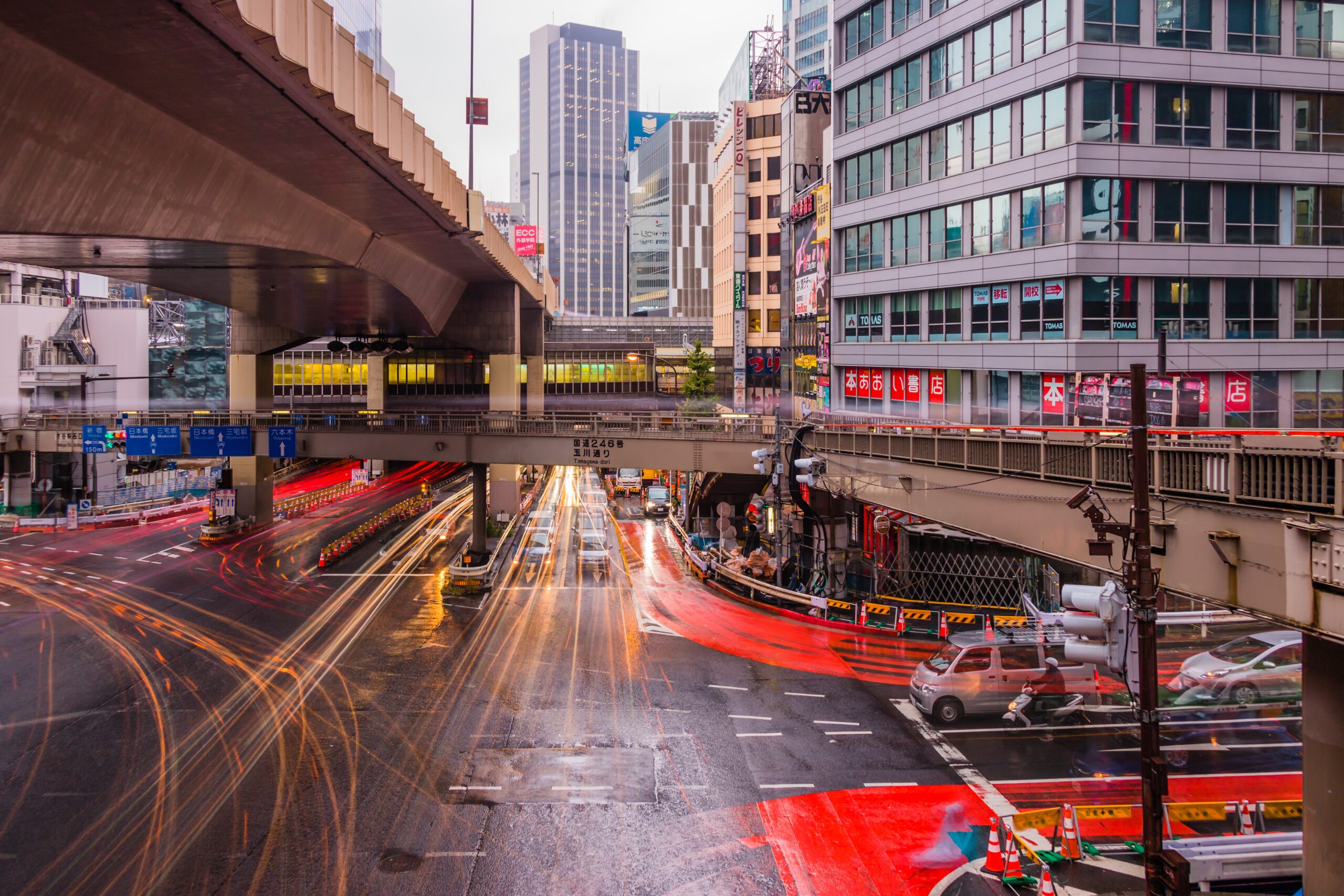
vehicles running during daytimve
Japan is a country that is aging rapidly, and possesses one of the oldest populations. 40% of Japan’s population will be 65 years and older by 2060. The median age in Japan is around 48 years old as of 2020. The population continues to shrink because many people have decided to stay single, birth rates are decreasing, the average marriage age is going up, and the elderly are single again after their partners have passed away. Japanese people are generally very respectful and polite. They sincerely want to coexist with others, trying to live peacefully and safely with each other. This probably stems from a large population living close together arrow_forward
Life Style

Sustainable & Affordable Benefits of Activated Charcoal

Many of you may have already learned about the job of a charcoal-burner, from the popular anime &manga; Demon Slayer: Kimetsu no Yaiba. Or you may have learned this from our own article. In Japan, people started using charcoal in their homes 2,000 years ago. Charcoal was an important part of the Japanese economy, and it was a necessity to Japanese life until the 1950s.  Charcoal was an essential commodity that was used in many aspects of Japanese culture, including cooking; heating; distilling sake; blacksmithing; medicinal & cosmetics purposes; and painting. Charcoal was also used in one of Japan’s most famous tourist attractions, the Great Buddha of Tōdai-ji Temple in Nara, arrow_forward

Recent Posts

PAGE TOP